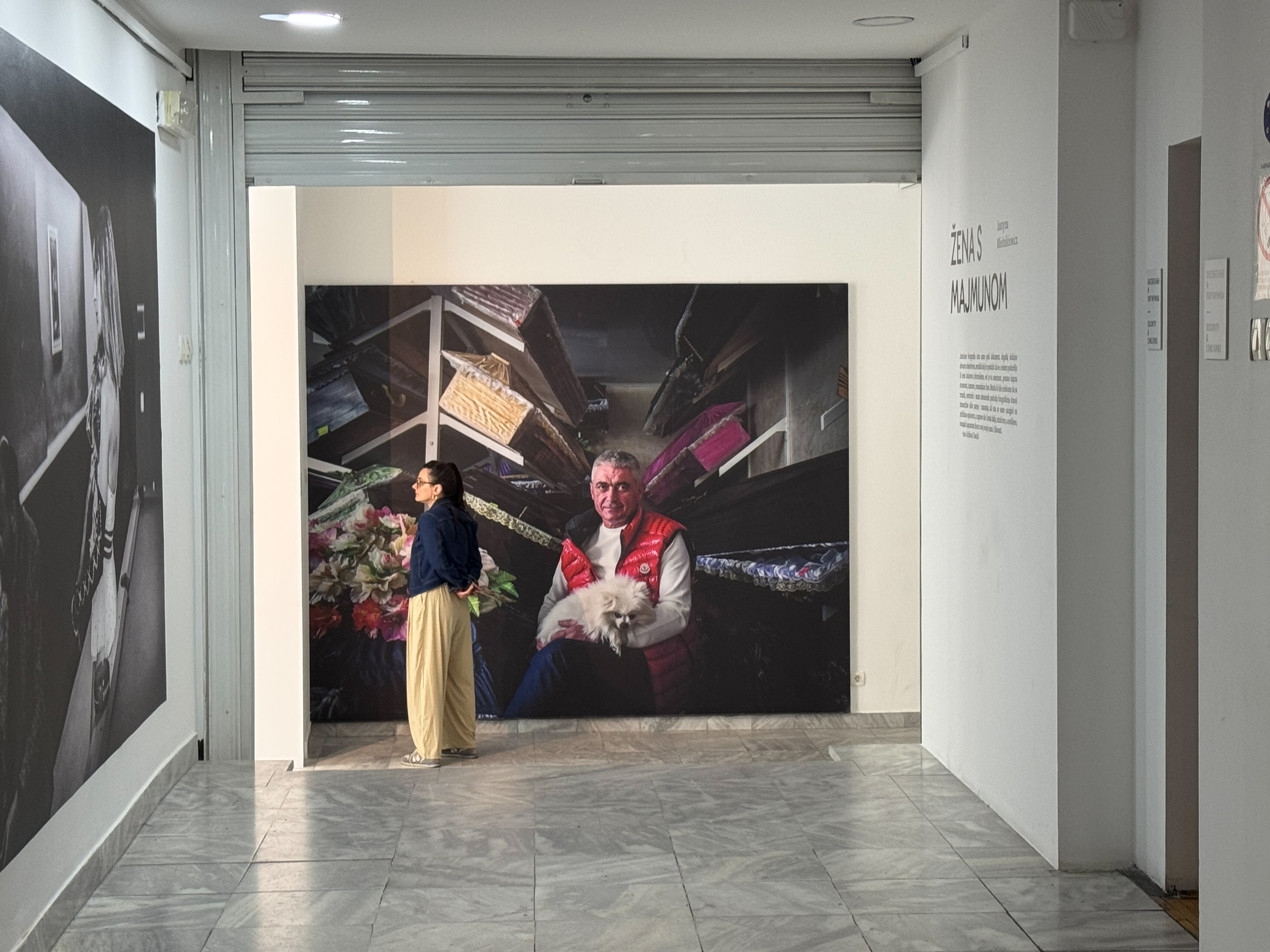
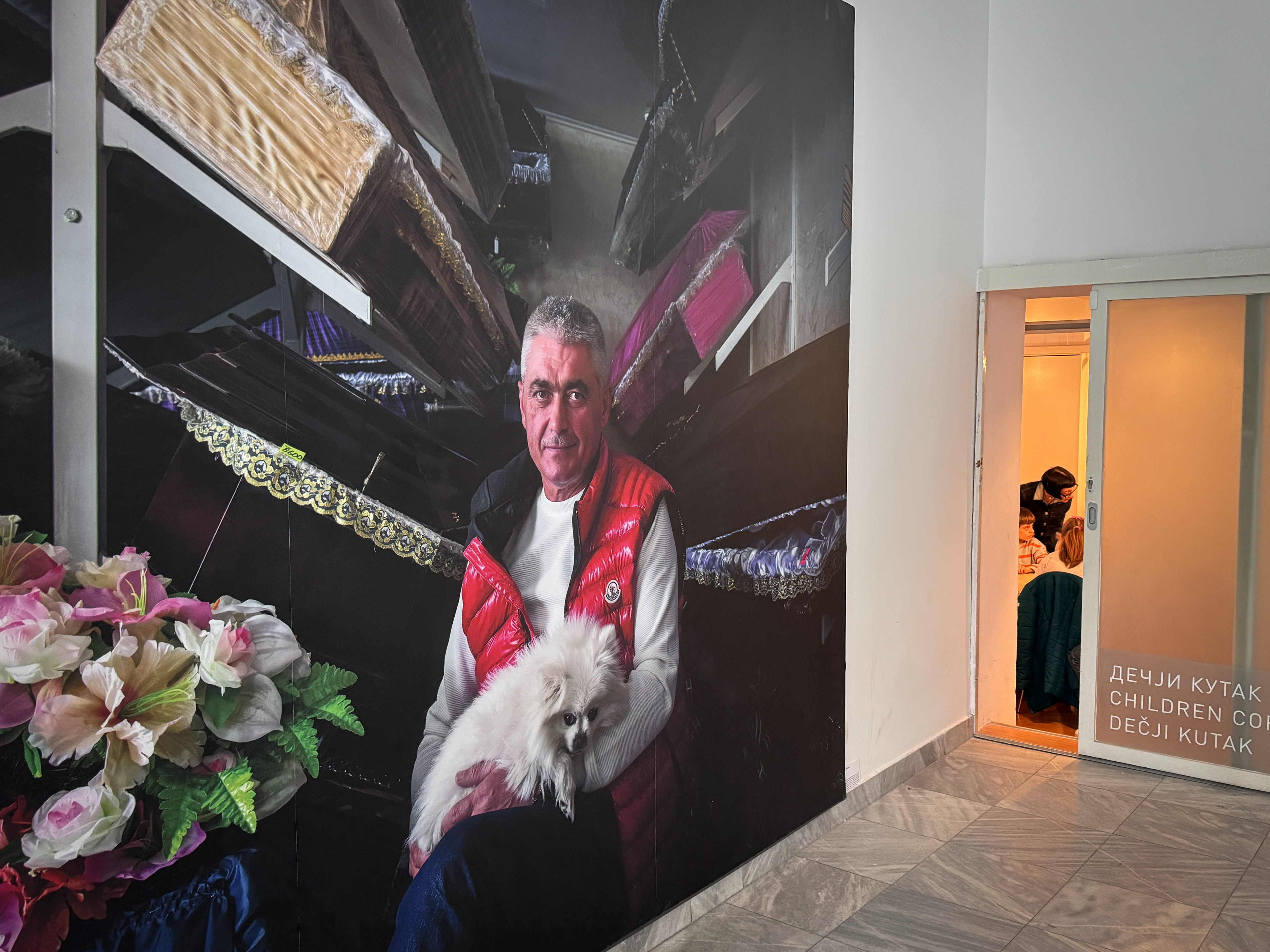
WOMAN with a Monkey - Afterimages of the History I Witnessed.
(Afterimage definition: A visual or mental sensation that persists after the original stimulus has ended.)
The selection of images presented is rooted in various projects I made over the year. They represent my approach to news photography, which I prefer to label as documentary. Document serves beyond current events and day-to-day information. It documents not just certain events but fixates on the mood of a historical moment; it is not literal and does not require logic or explanatory elements typical of straightforward reporting. My work reflects the prevailing mood of the time and place. Most often, it is located away from a central event or at the edges of the main focus, becoming afterimage of it.
Mixing personal with impersonal, that work is about dreams—imagined, lost, or transformed after the handshakes of politicians are completed for the media. A photographer, when an artist, is a storyteller—rather than a mechanical recorder of events and life, sifting through an endless space full of information and extracting its own message out of it. The photographer's eye is a curating one ; the photograph itself is not an explanation but a note, a color, or a shape reflecting the experience of the modern man.
My news work is mostly very quiet. The war in Georgia, without showing a drop of blood, was awarded in the World Press Photo. To document Ukraine, I chose the Dnipro River as a metaphor for the country, a line of reference to tell the story of the country and its struggles instead of trenches and frontlines. Because the afterimage emerges from silence.
That work was part of the exhibition by Three Polish Photographers and was held at the Museum of Applied Arts in Belgrade in May 2025 as part of Belgrade Photo Month. It was organized as part of the Adam Mickiewicz Institute’s series ‘Photography – More Than Reality: The Art of Imaging’ in cooperation with Polish Institute in Belgrade.
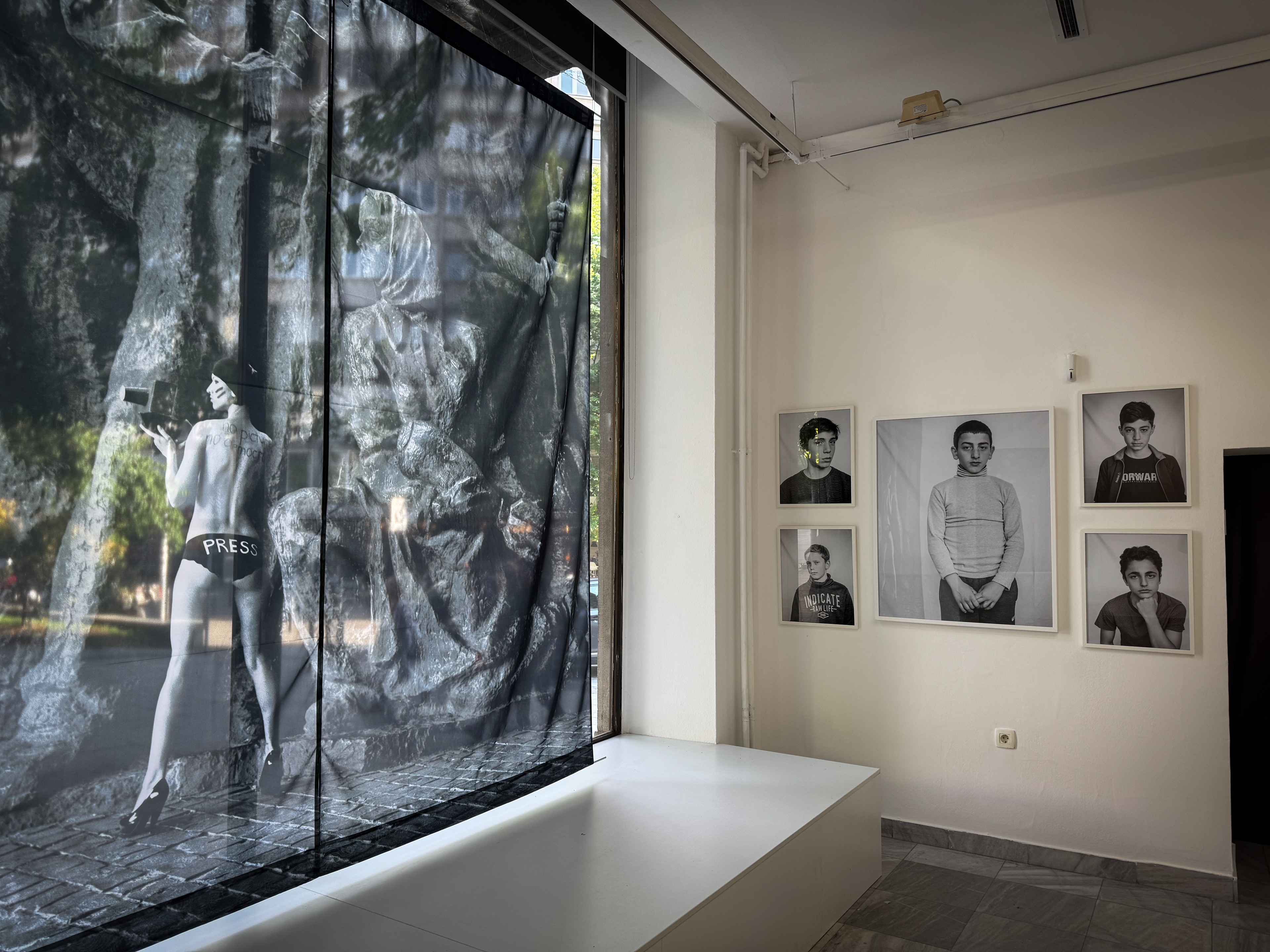
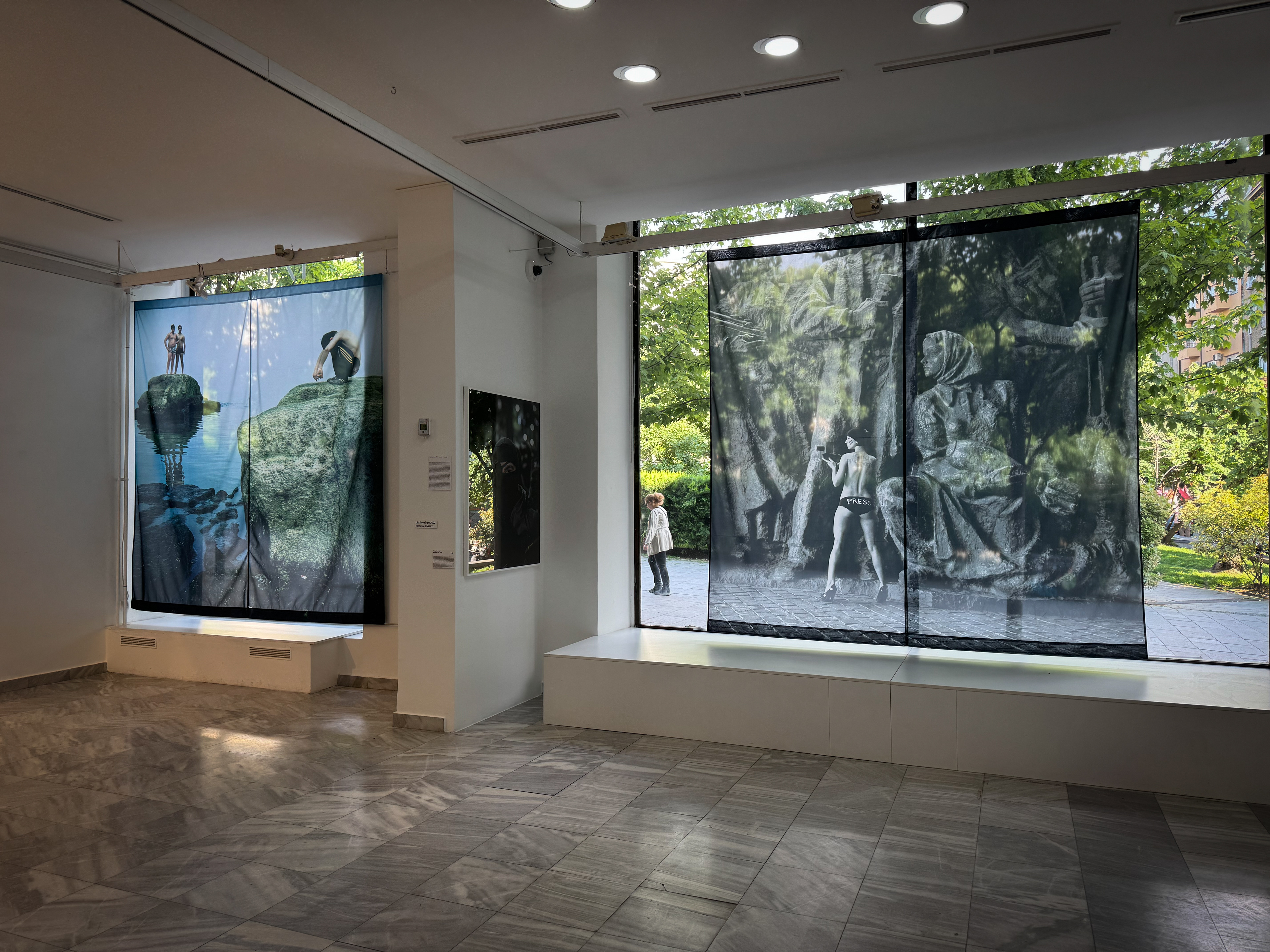
Kyiv, Ukraine, 2011: Tatiana Zacerkovna, a topless FEMEN activist, poses for a photo in front of the Soviet-era sculpture of workers and World War II heroes at the National Museum of the History of Ukraine in the Second World War. While taking this photo, I was arrested by a policeman guarding the park. At that time, Ukraine was rife with corruption, and police were trying to extract fines at every corner. I had always feared the day would come when I would need to pay a bribe but wouldn’t be able to do it. The thought of giving a bribe paralyzed me; it felt strange and awkward. As I photographed that semi-nude girl in a public park for my series on FEMEN, I was careful to ensure that no random passers-by were exposed to it. At some point, the policeman approached us and took us to a small kiosk, demanding our documents and addresses where we lived or were registered. Allegedly, an old lady had complained to him that we had offended her feelings. They intended to file this as an administrative offense and proceed with a court case. We played the roles of nice, naive girls who were genuinely sorry for what we had done and pleaded to be let go. The policeman almost released us a couple of times, but then something would click in his head, and he would start the process all over again. After about half an hour, I finally realized that he wanted me to pay him a bribe for our release. Unsure how to offer the money, an idea struck me: I asked him what he would think if I paid the old lady 30 euros as an apology for offending her feelings. I continued, noting the sparkle in his eyes as he agreed to my proposal. “Pensioners don’t have much money; she could use that to take her grandchild or husband to a restaurant…” He happily concurred, and a small theatrical scene unfolded. He took a letter I had written to the old lady and went outside. After a while, he returned, eager to tell me that the lady had happily accepted the 30 euros and forgiven me. He let us go, thinking he had outsmarted us.
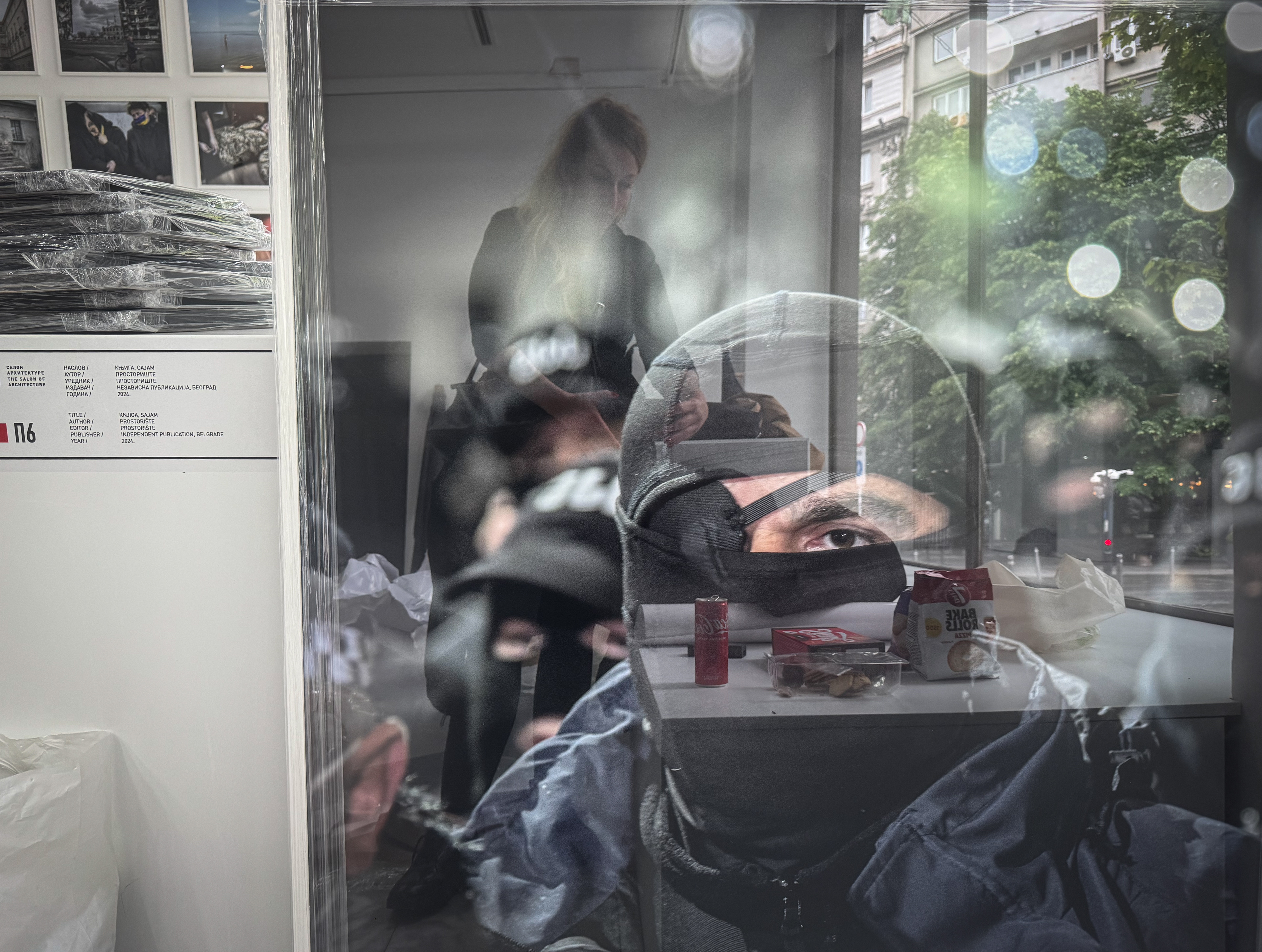
Tbilisi, Georgia, November 30, 2024: On November 28th, following disputed elections, Irakli Kobakhidze, the Prime Minister from the ruling Georgian Dream party, announced that they would suspend Georgia's EU membership bid until 2028. Outraged citizens, who historically support Georgia's integration with Europe by over 80%, gathered in the thousands outside Parliament. Soon, the government deployed riot police against the peaceful protesters and used disproportionate force to disperse them. I often wonder, looking at police at rallies like that: where does the job end and where does the citizen begin? How does one reconcile the two. I also kept thinking about what happens when someone loses an eye on the job like that; does such a person become scared or angry, maybe seek revenge, or is indifferent, possibly did not care from the start—perhaps all of the above.
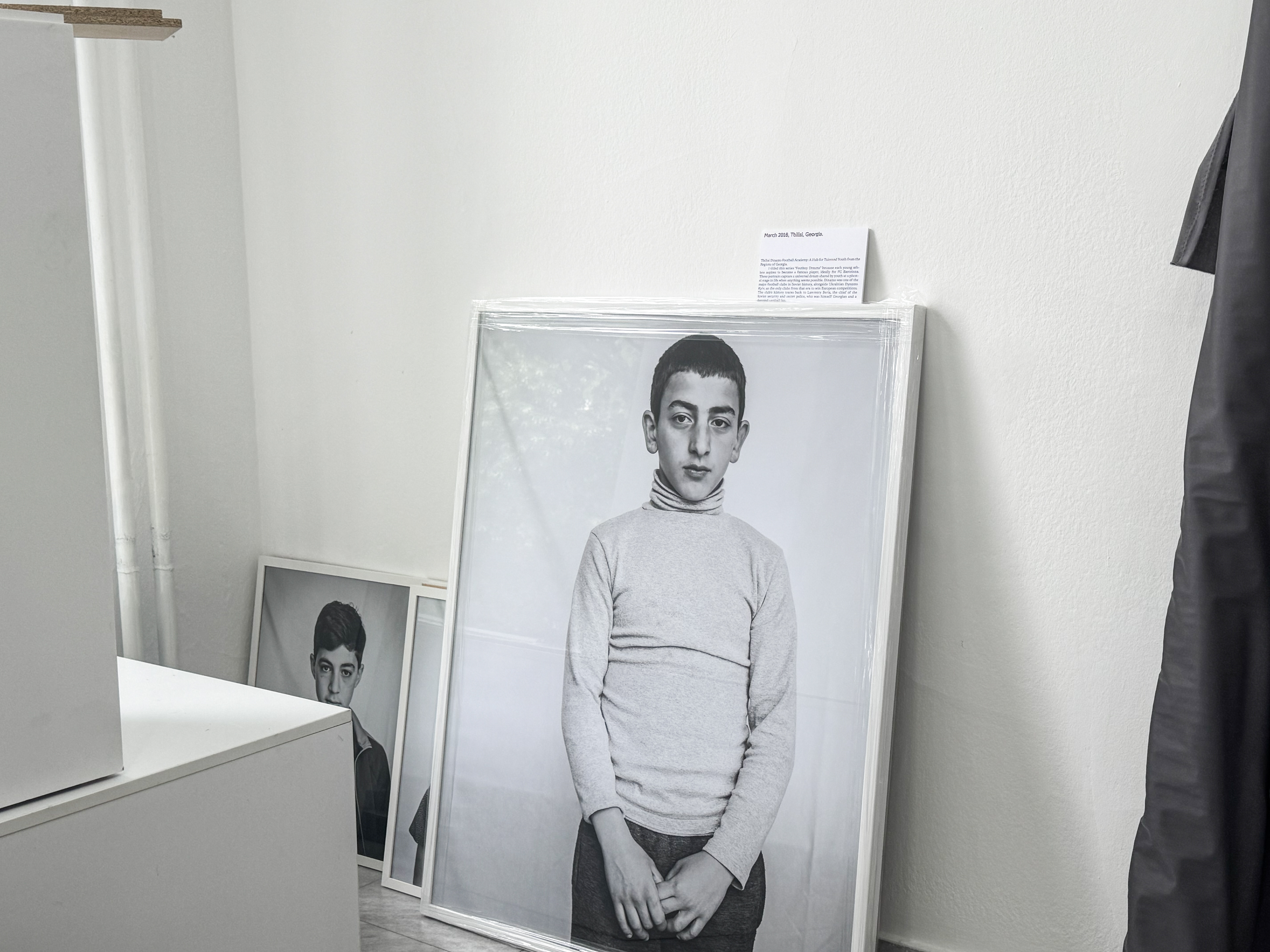
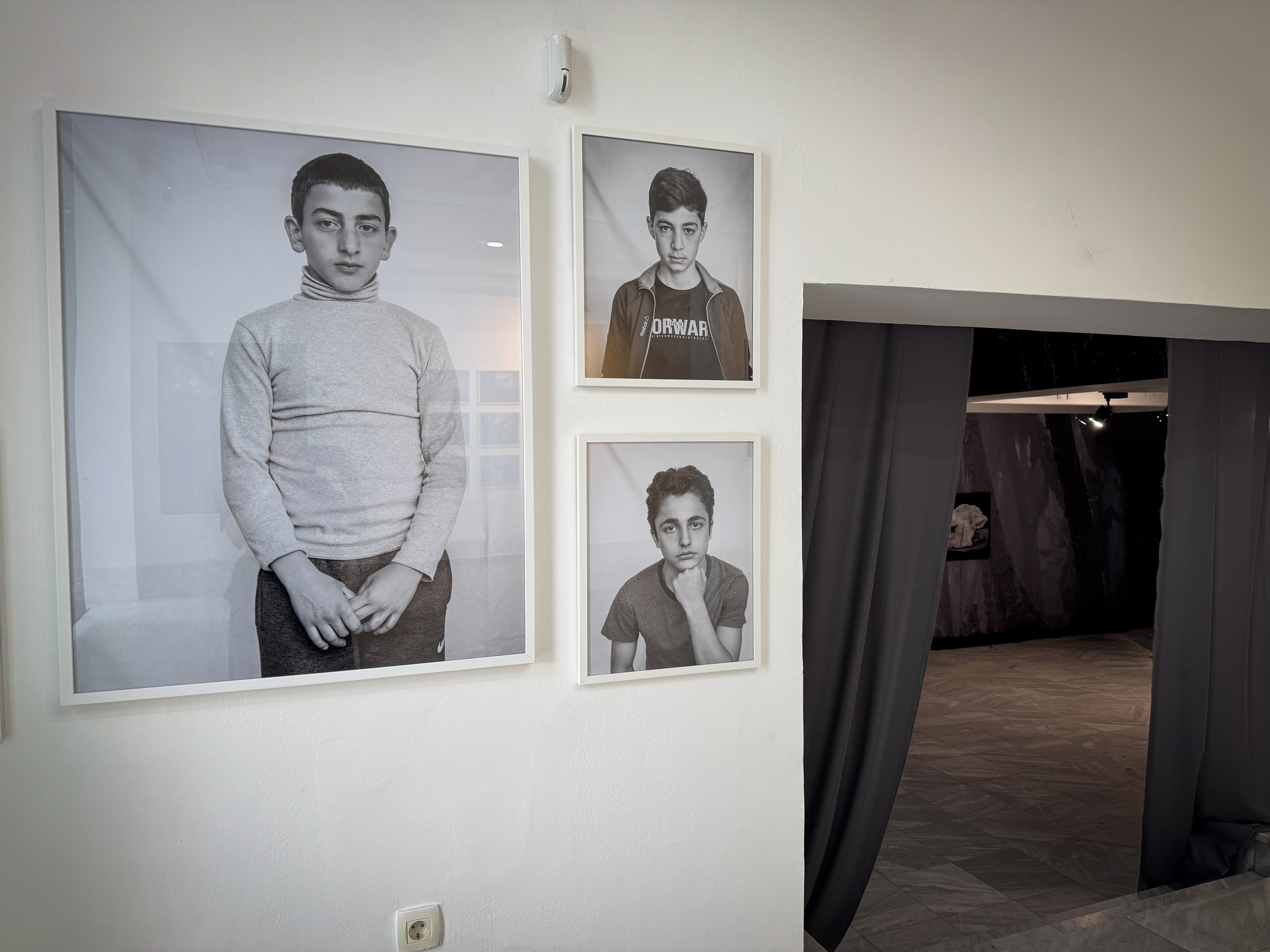
March 2018 , Tbilisi, Georgia. Tbilisi Dinamo Football Academy: A Hub for Talented Youth from the Regions of Georgia. I titled this series "Footboy Dreams" because each young athlete aspires to become a famous player, ideally for FC Barcelona. These portraits capture a universal dream shared by youth at a pivotal stage in life when anything seems possible. Dinamo was one of the major football clubs in Soviet history, alongside Ukrainian Dynamo Kyiv, as the only clubs from that era to win European competitions. The club’s history traces back to Lawrenty Beria, the chief of the Soviet security and secret police, who was himself Georgian and a devoted football fan.