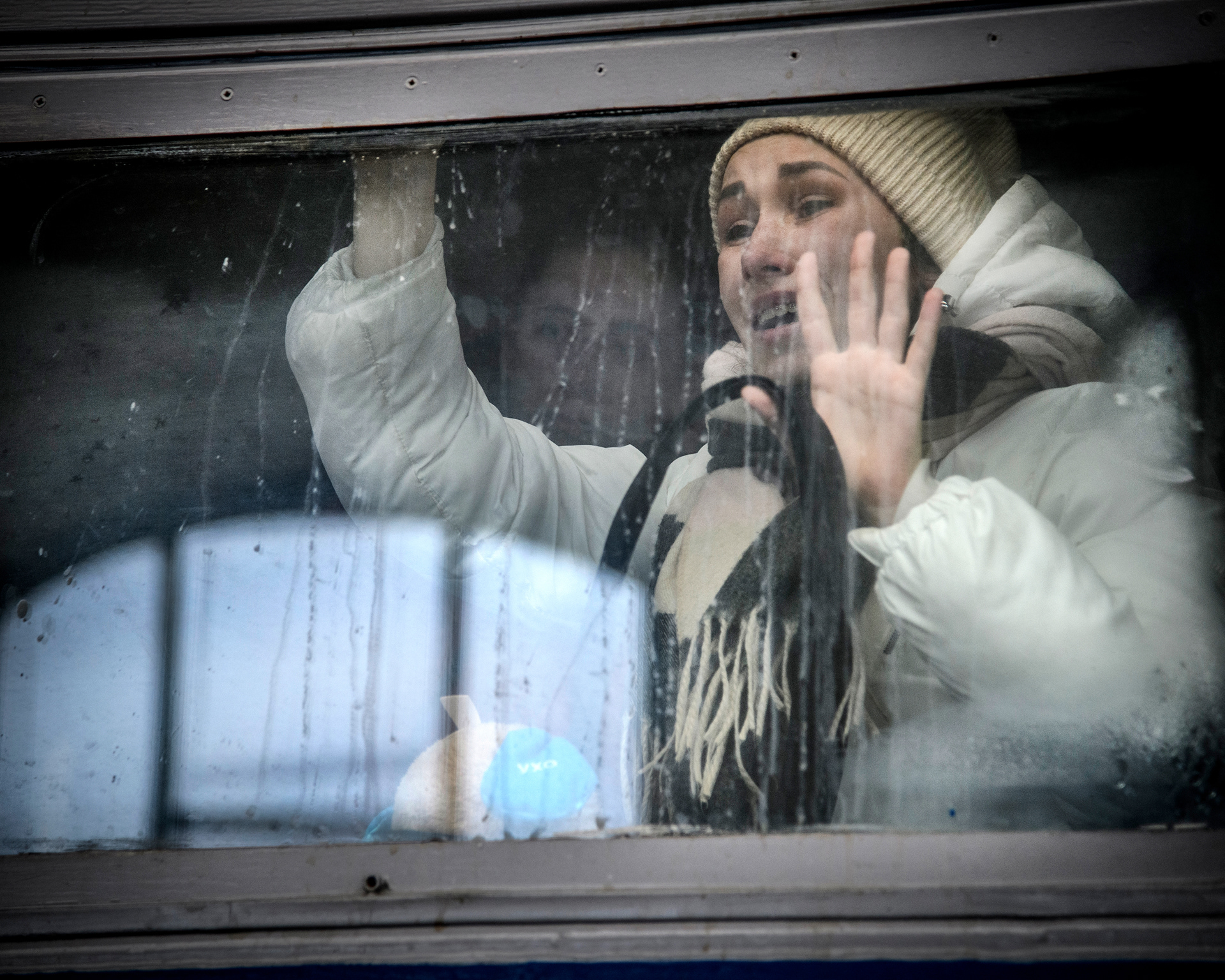
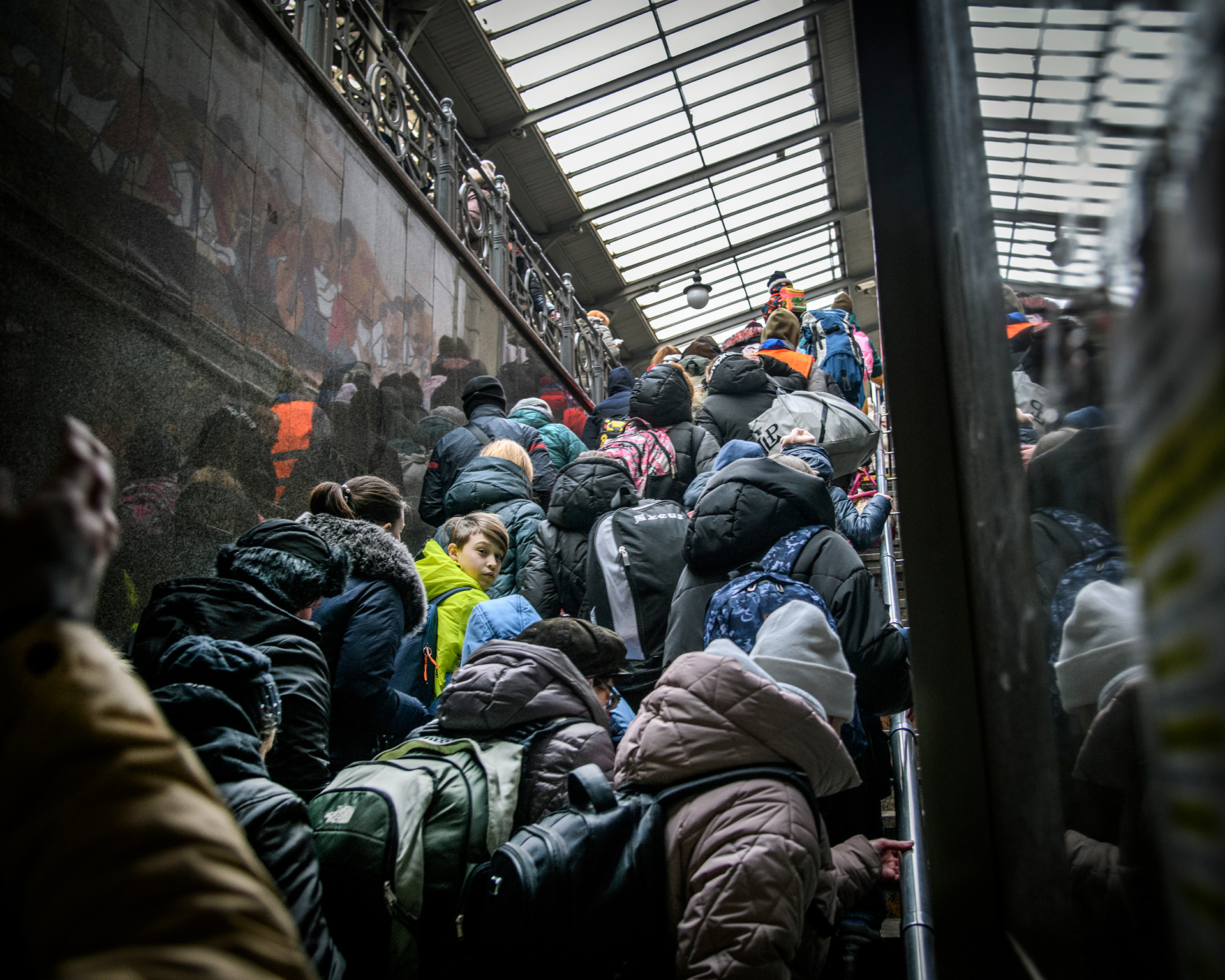
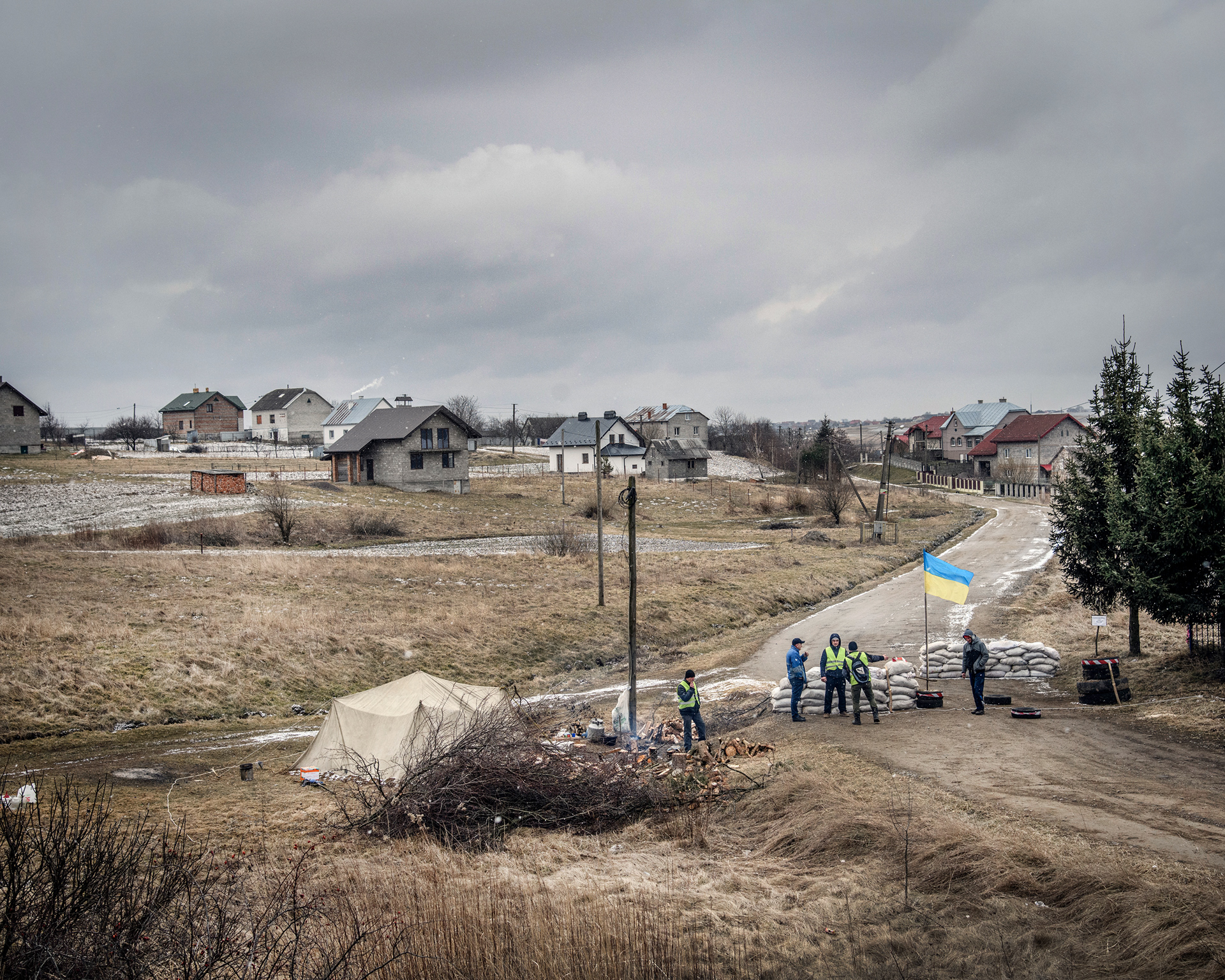
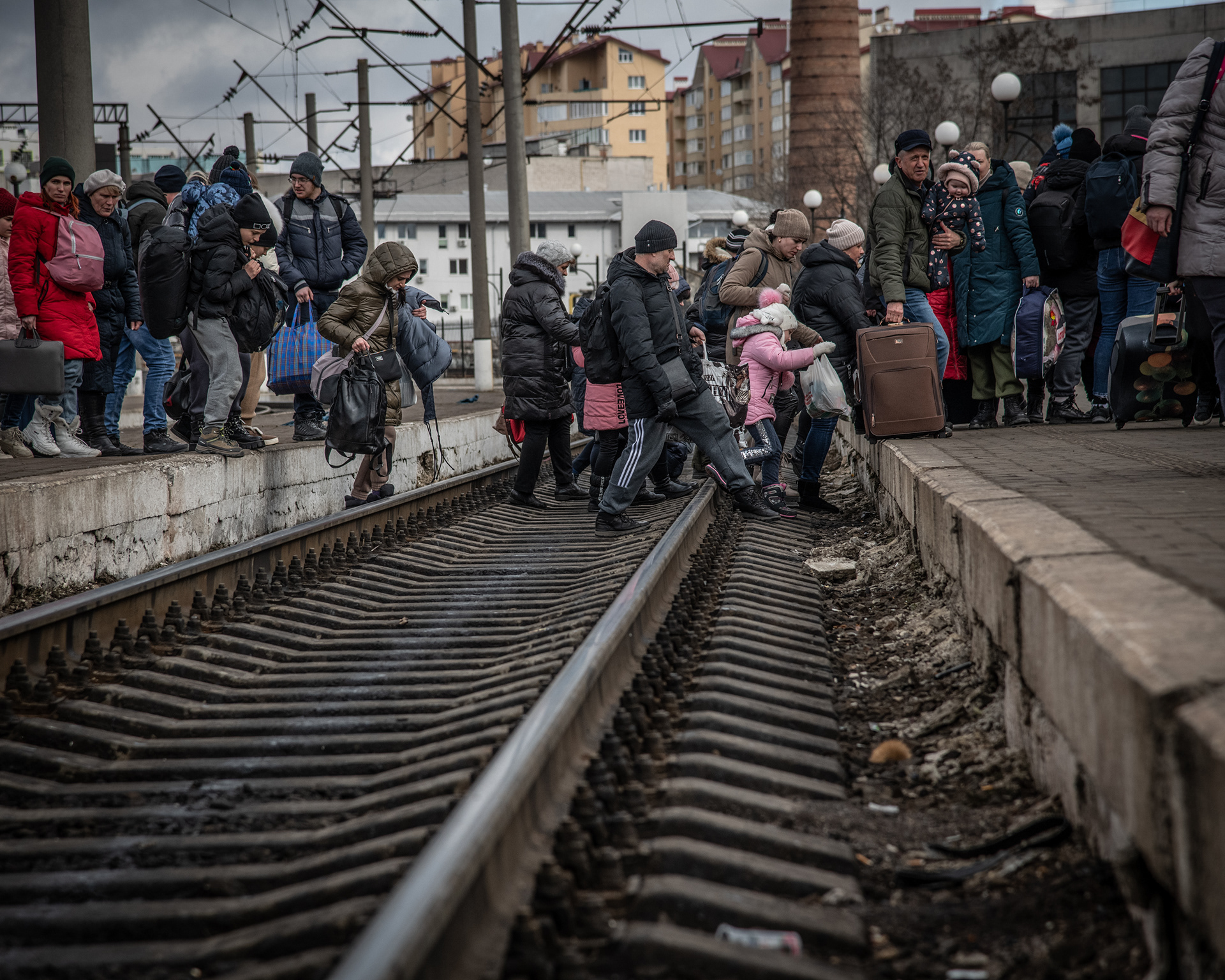
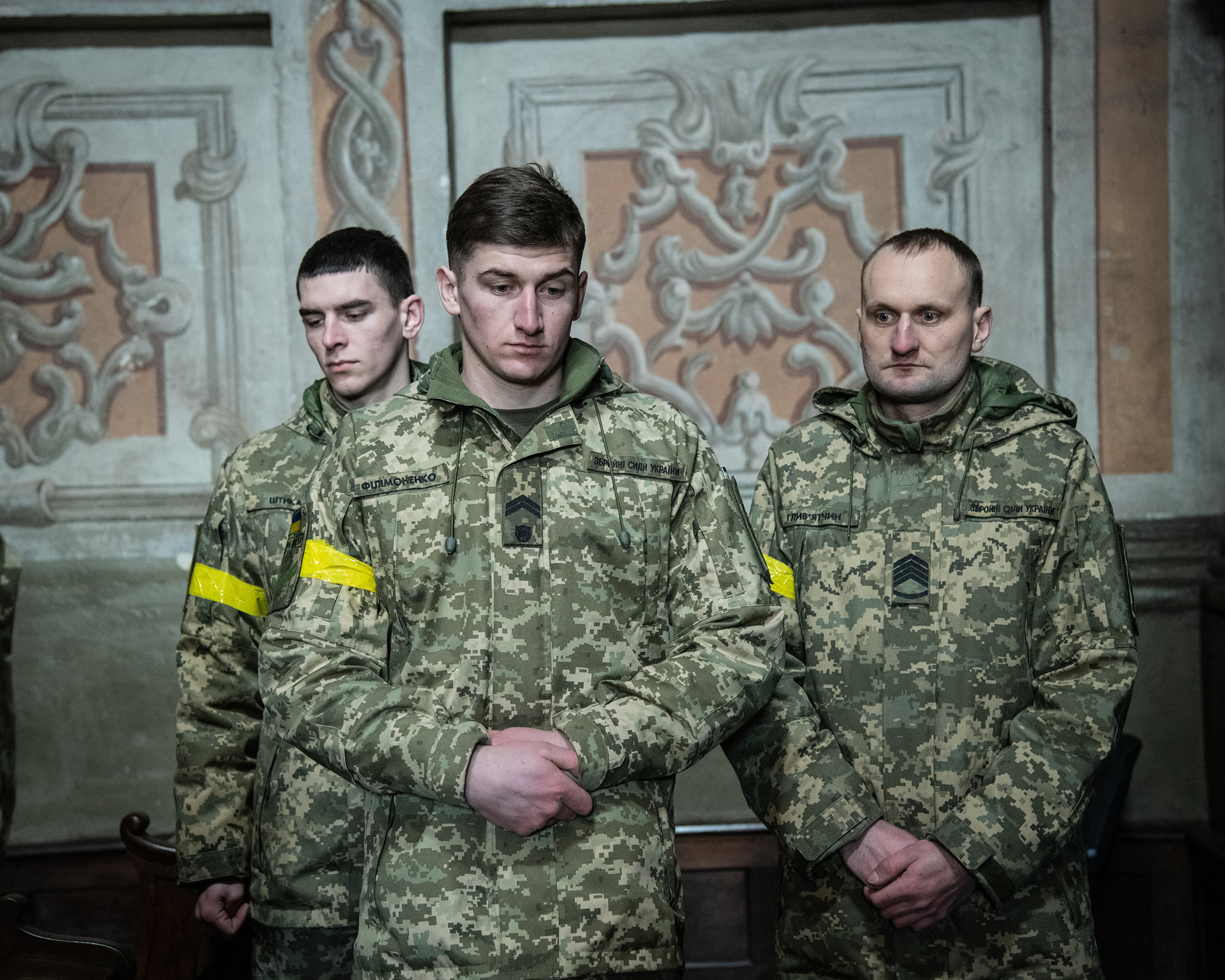
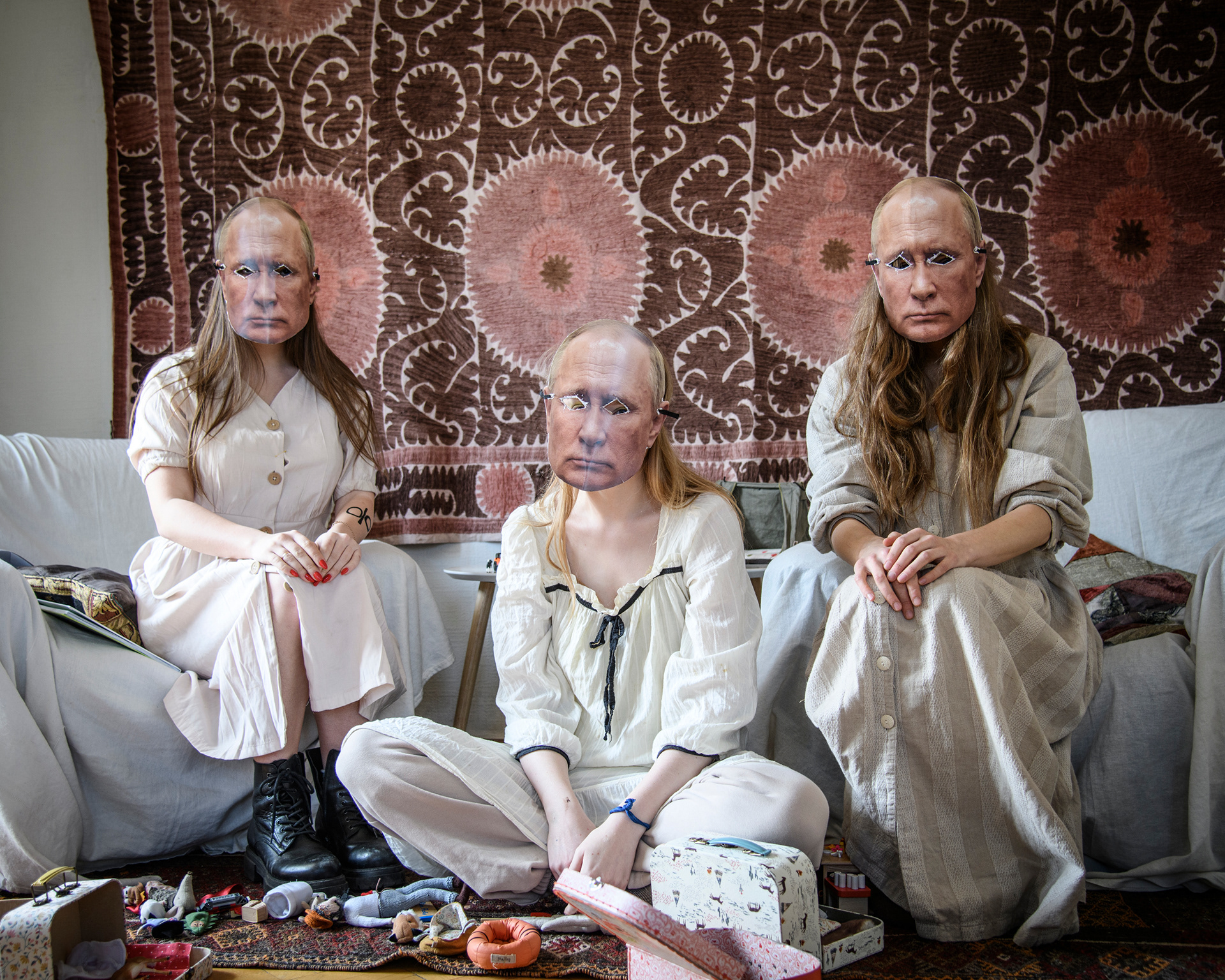
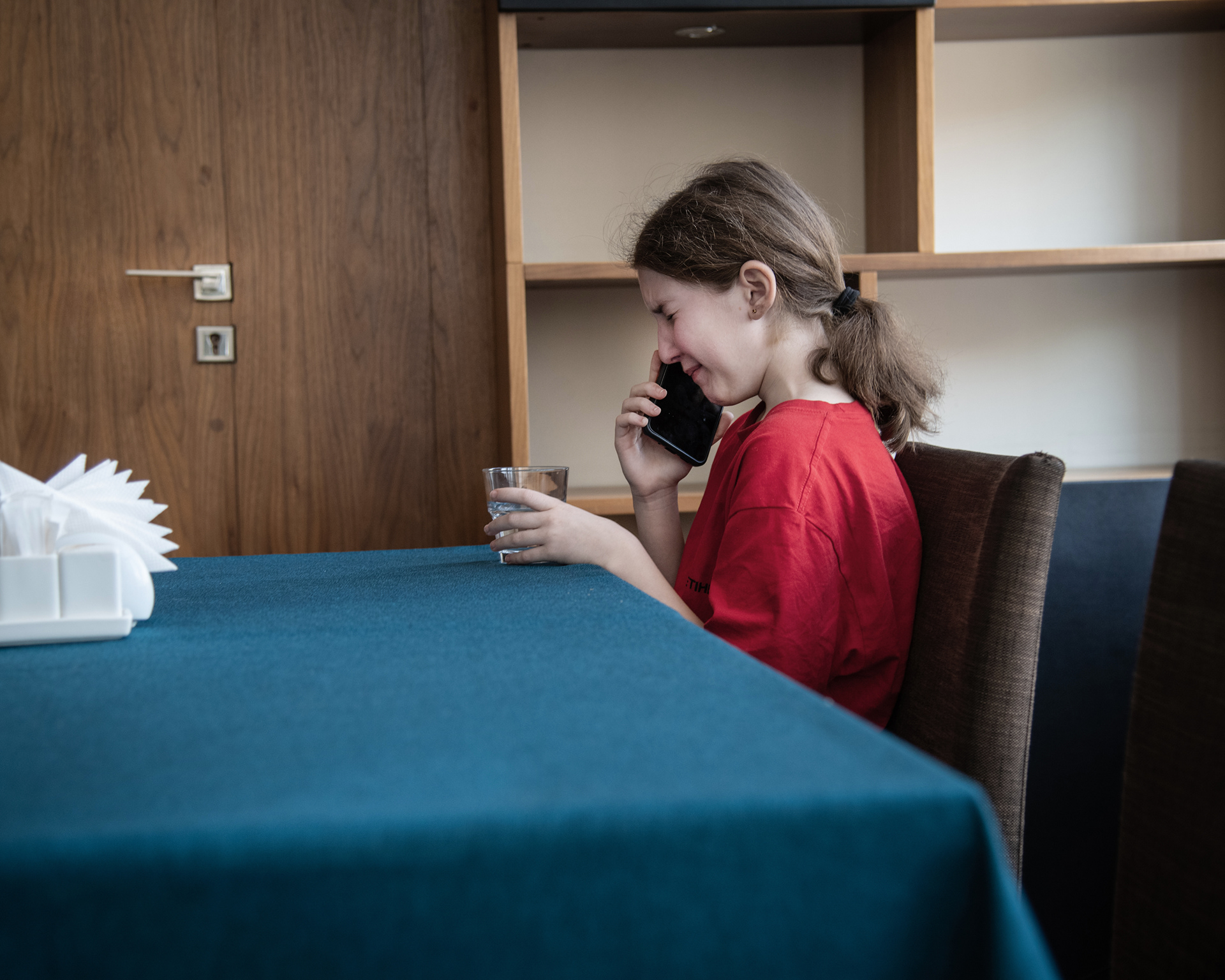
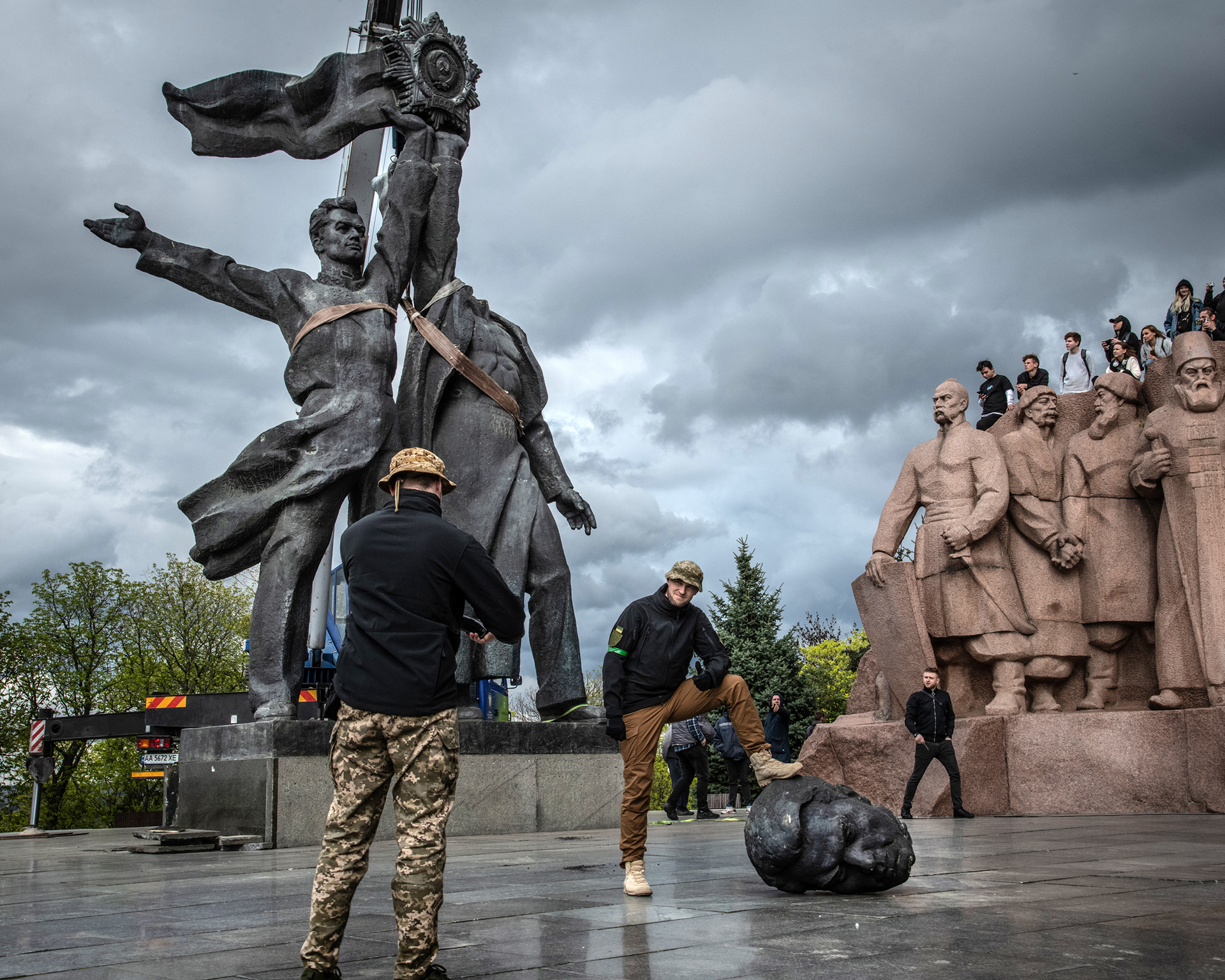
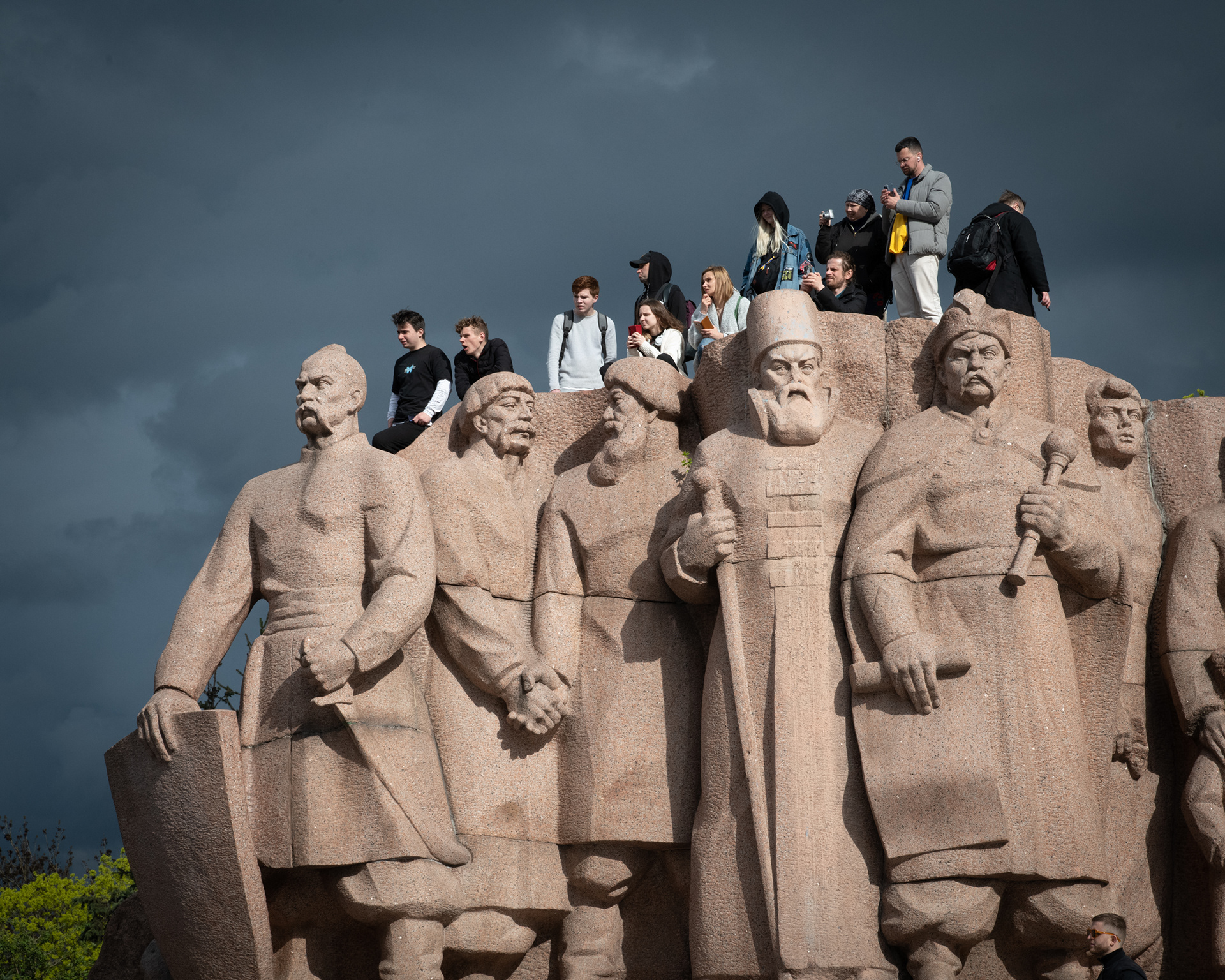
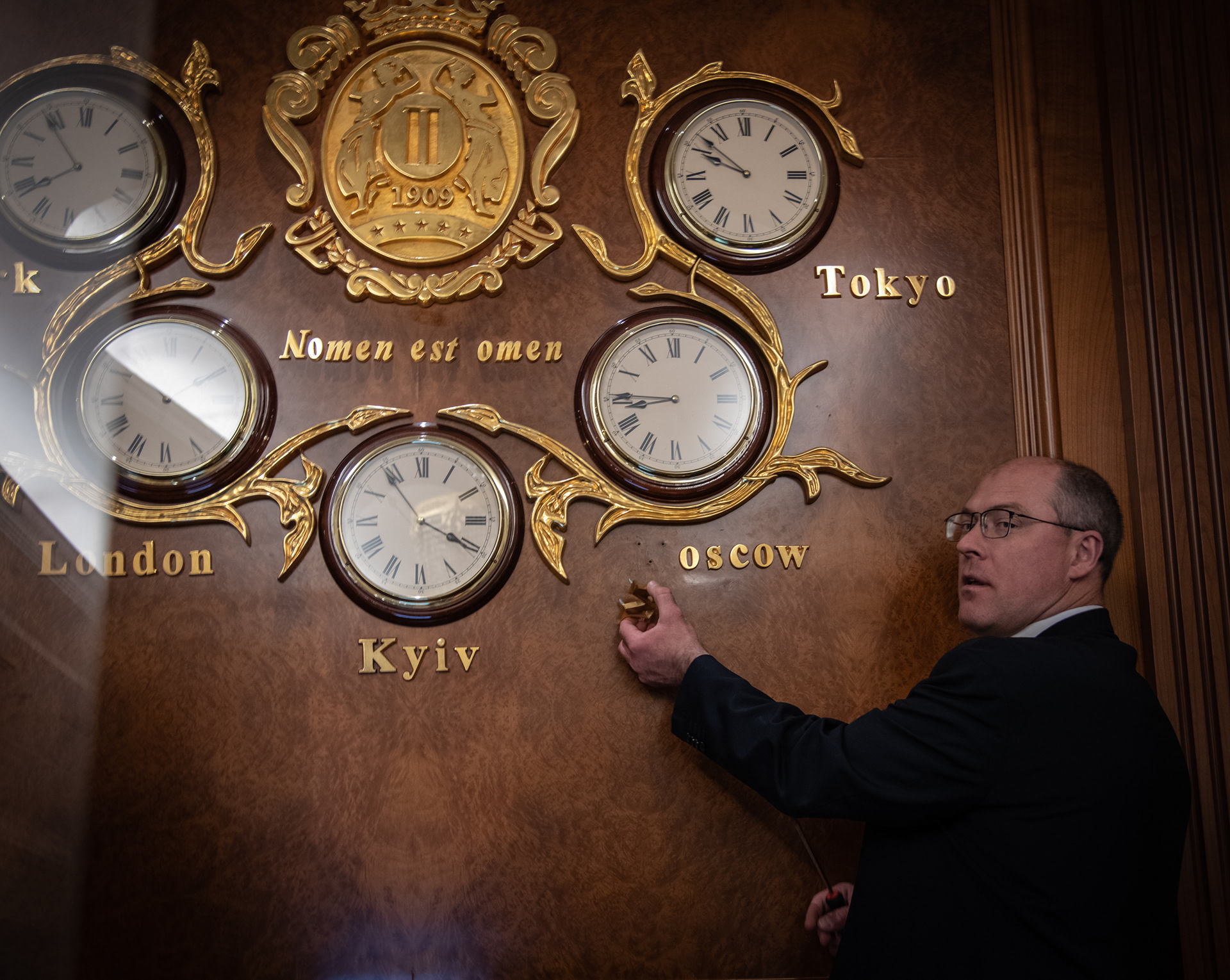
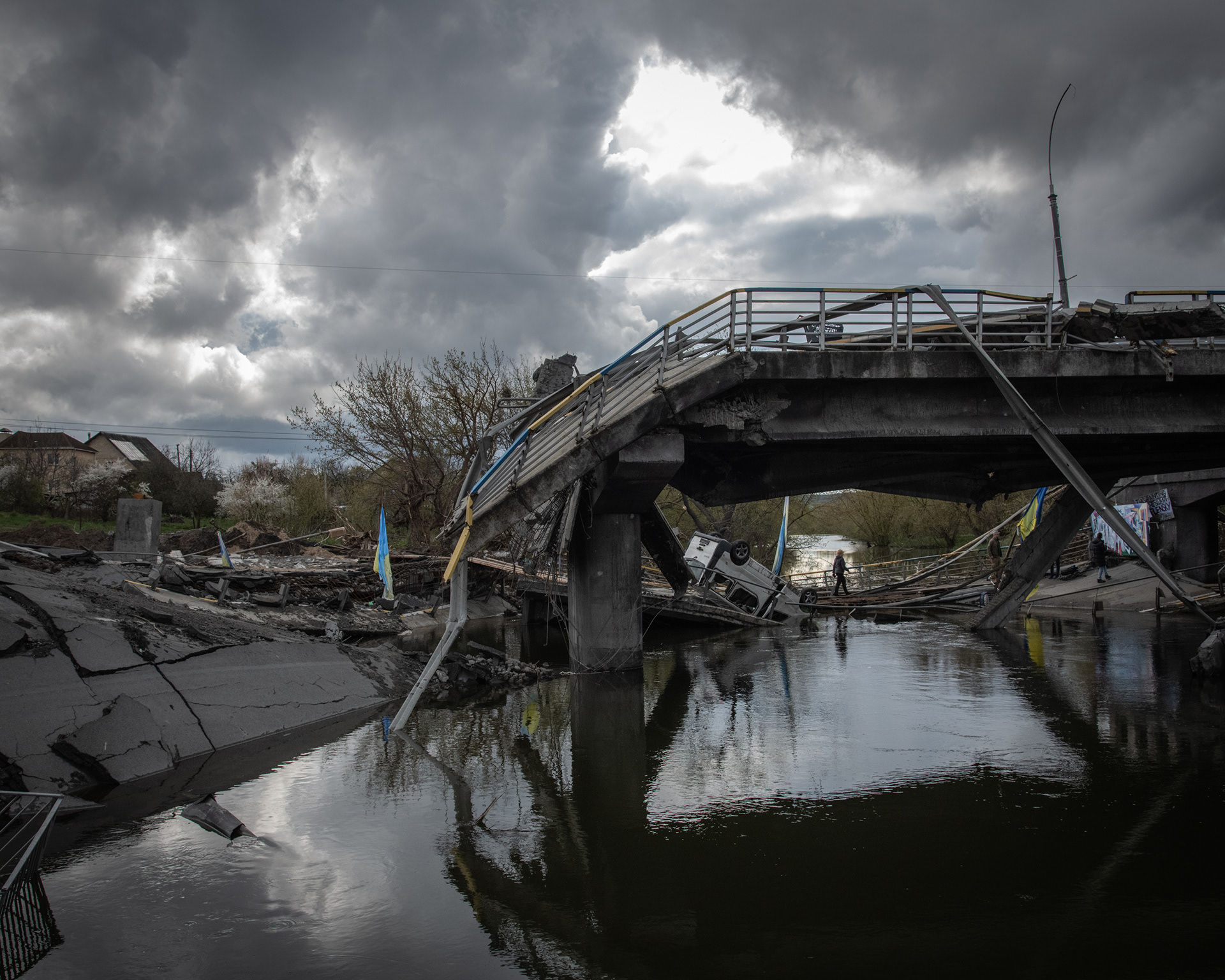
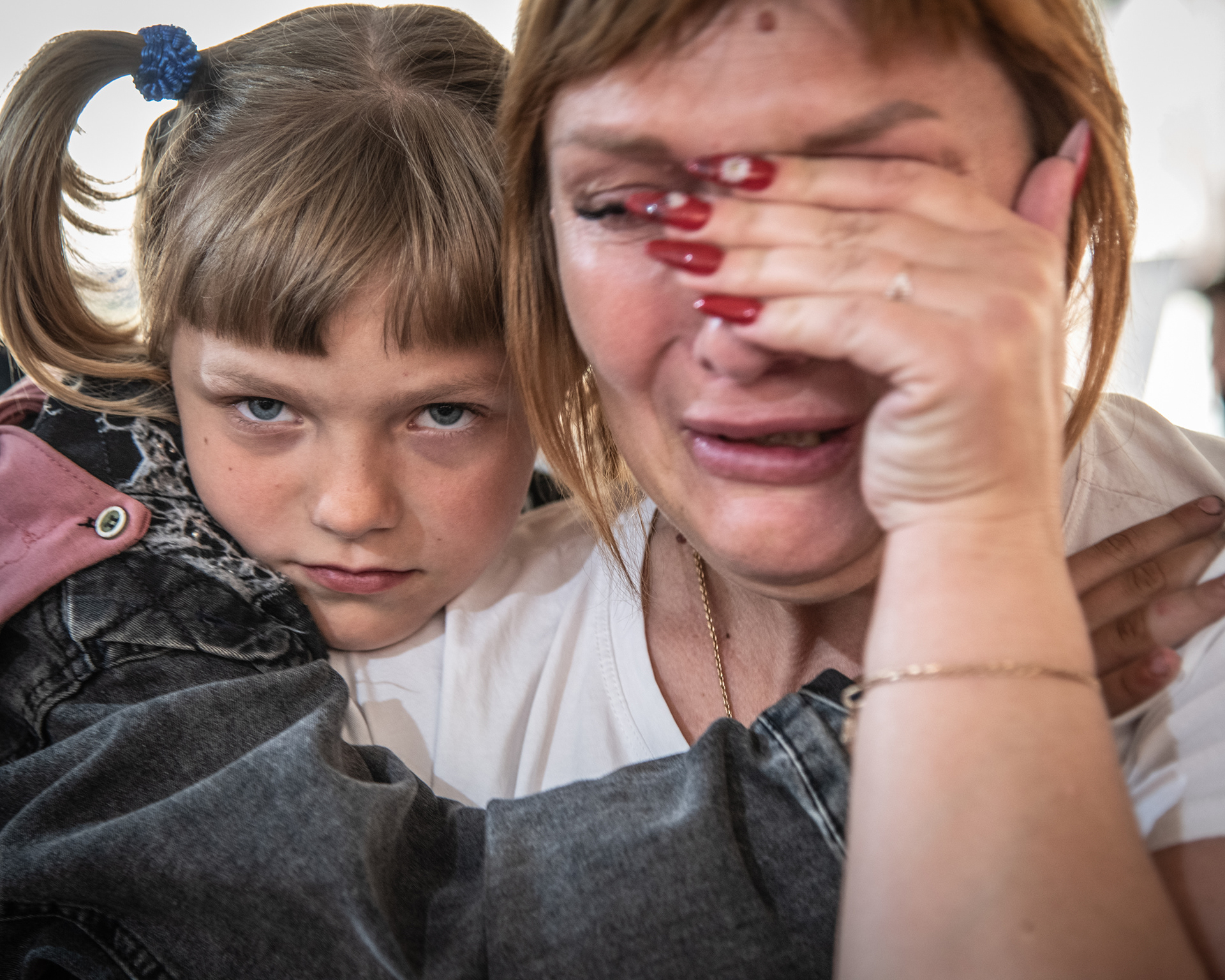
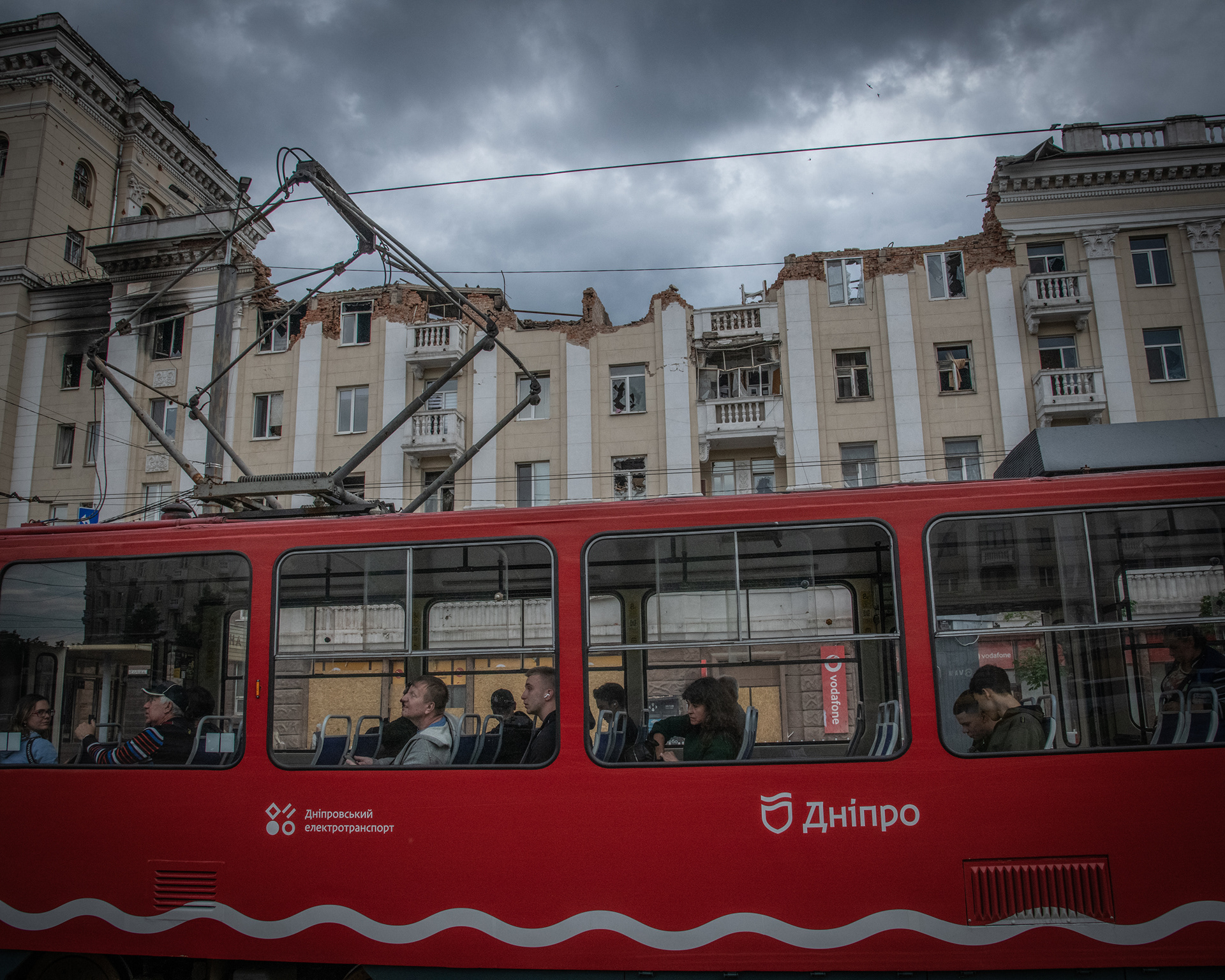
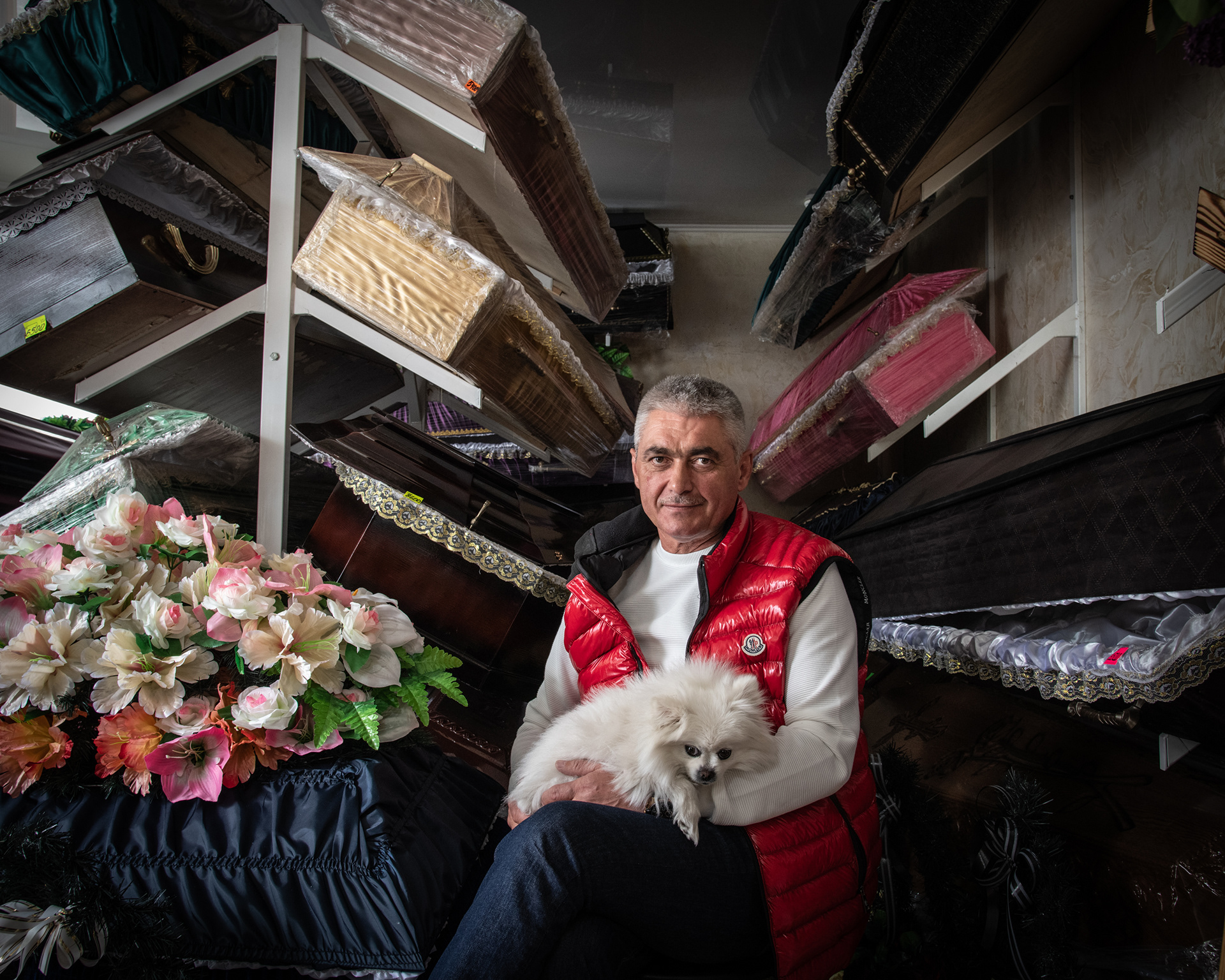
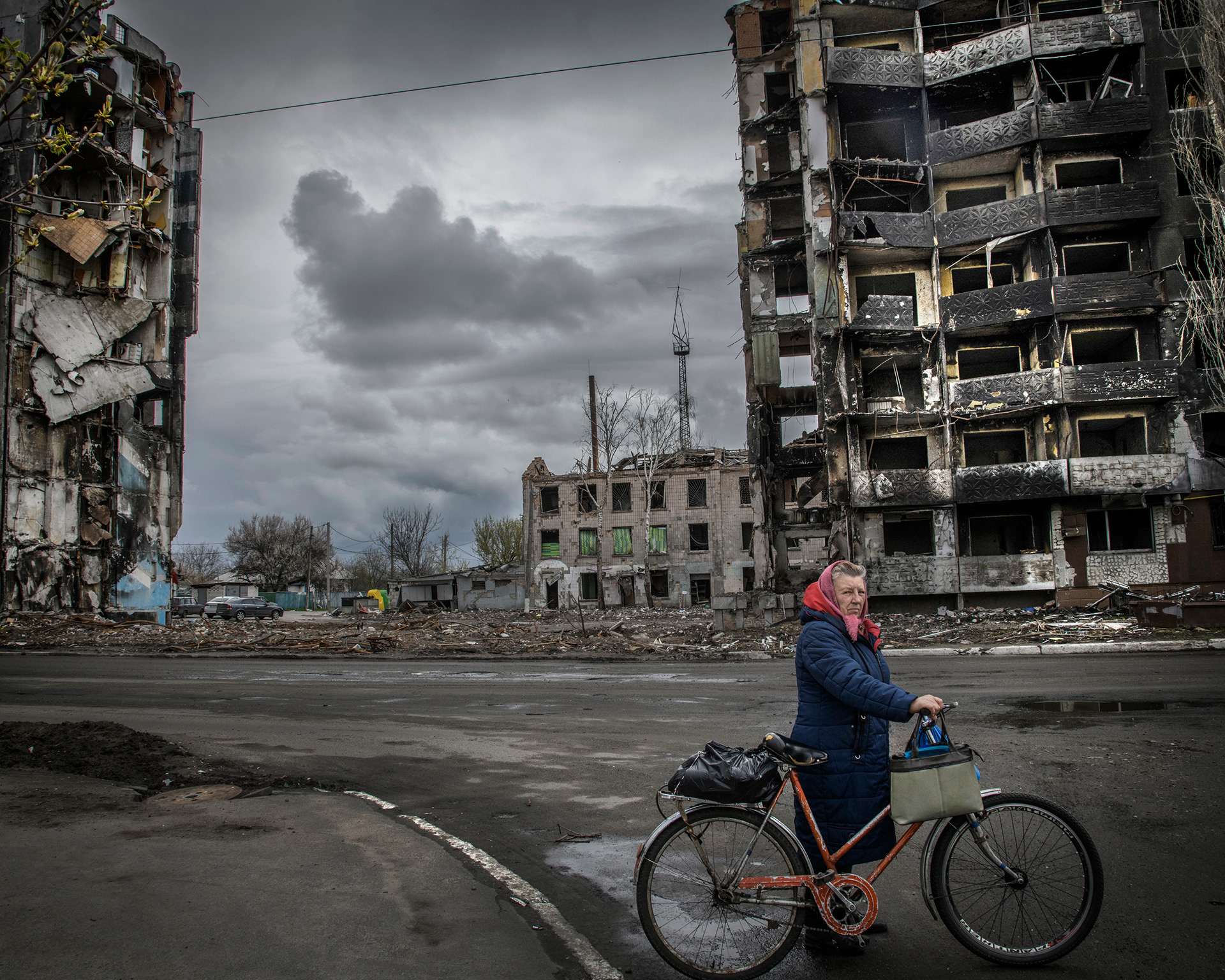
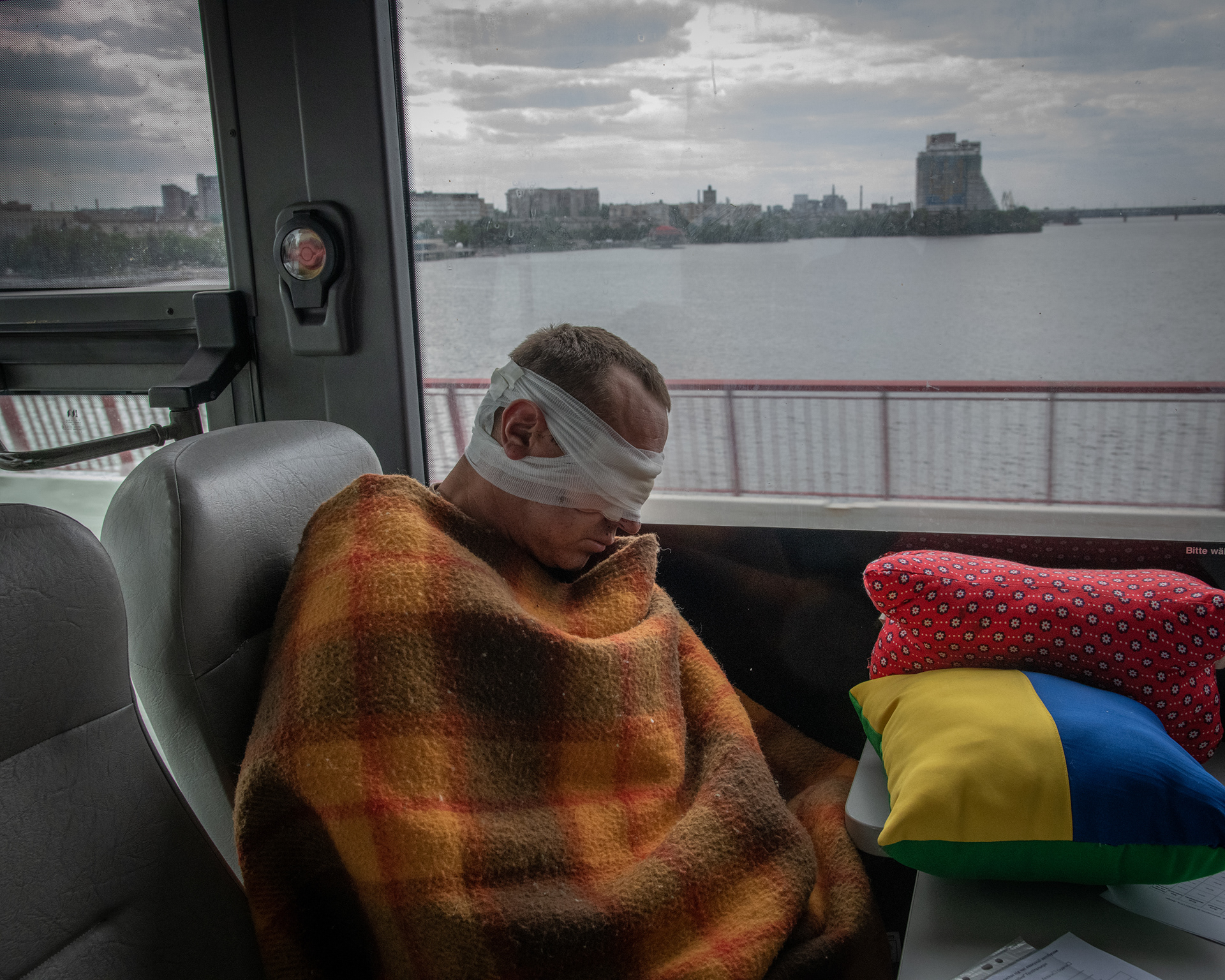
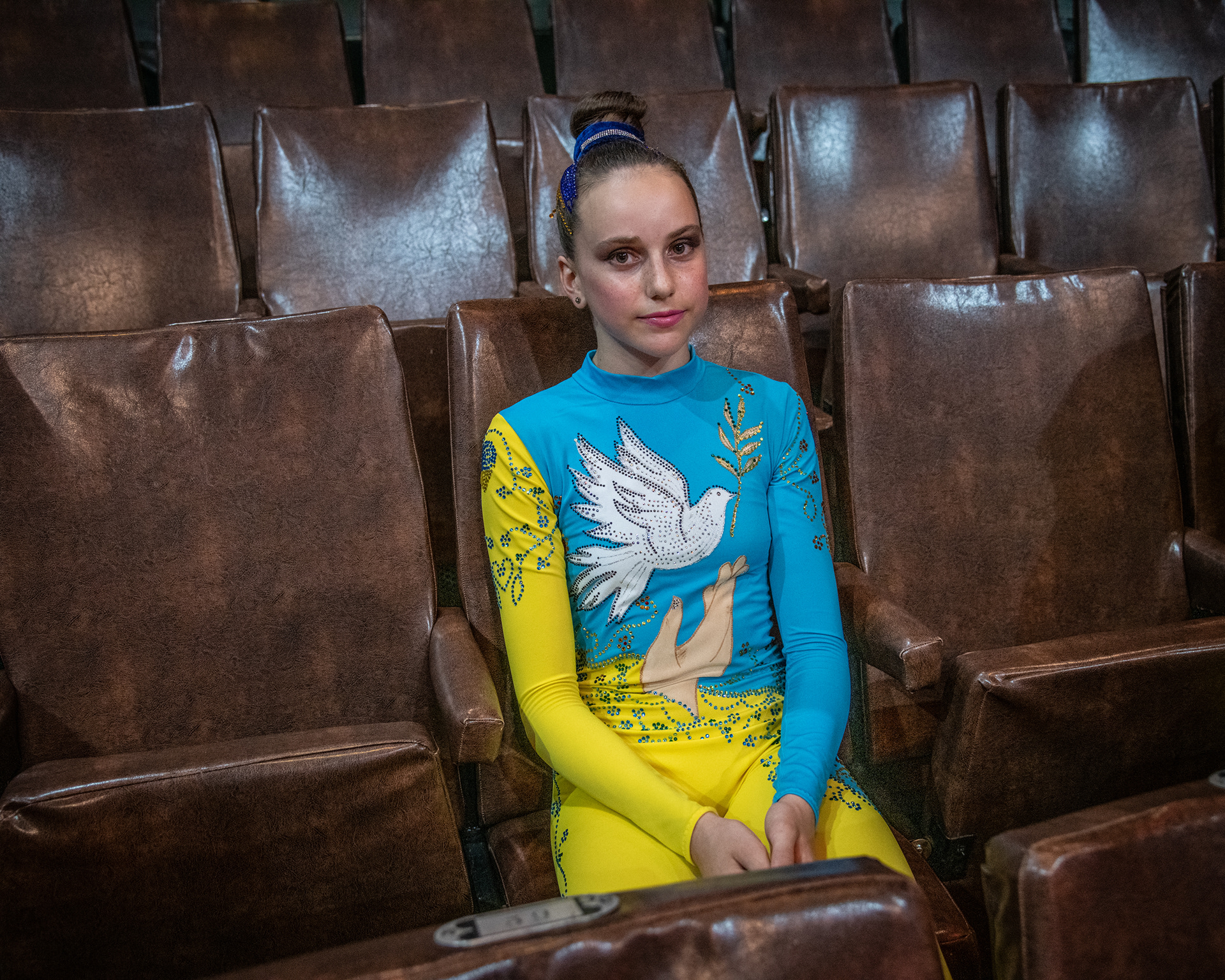
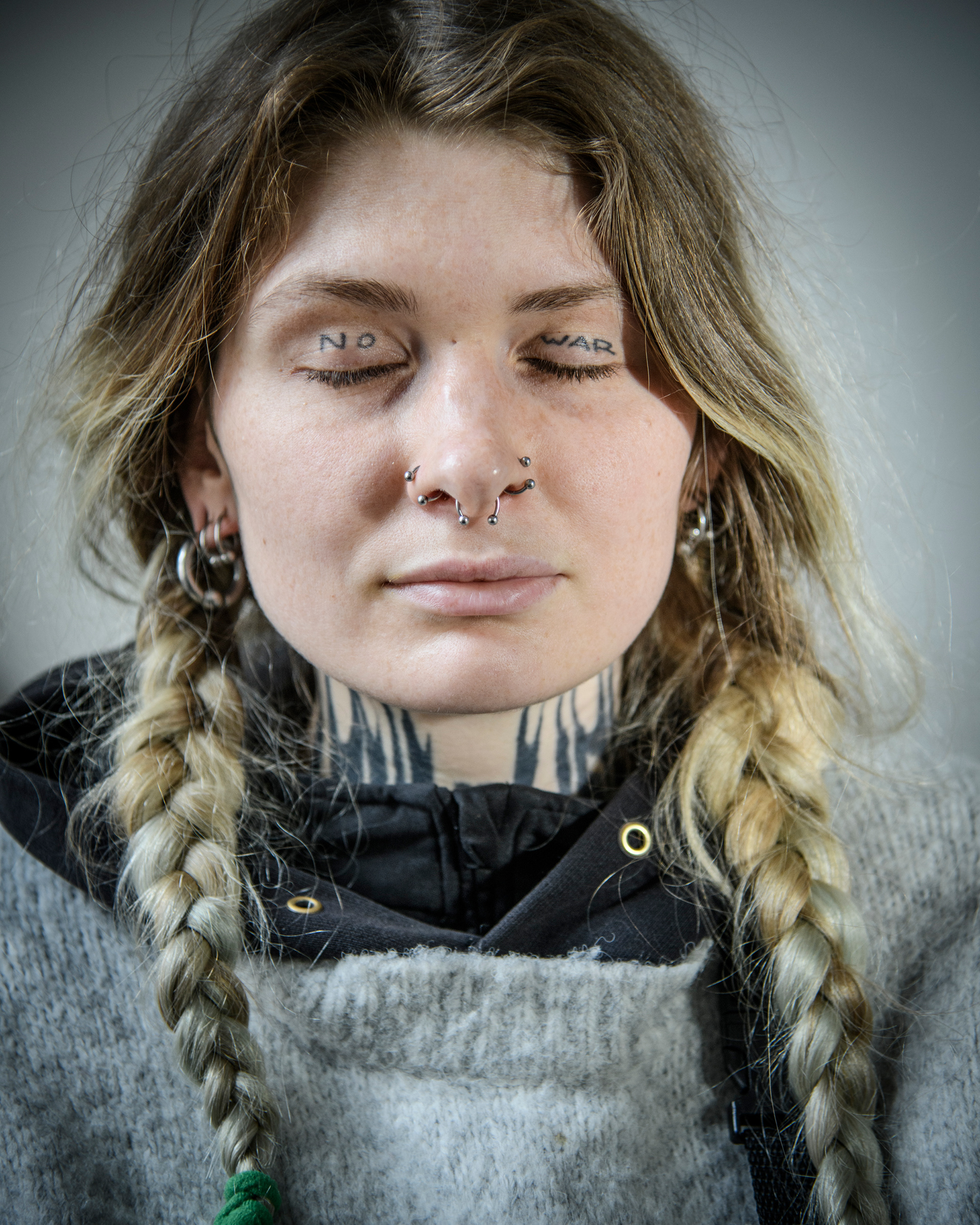
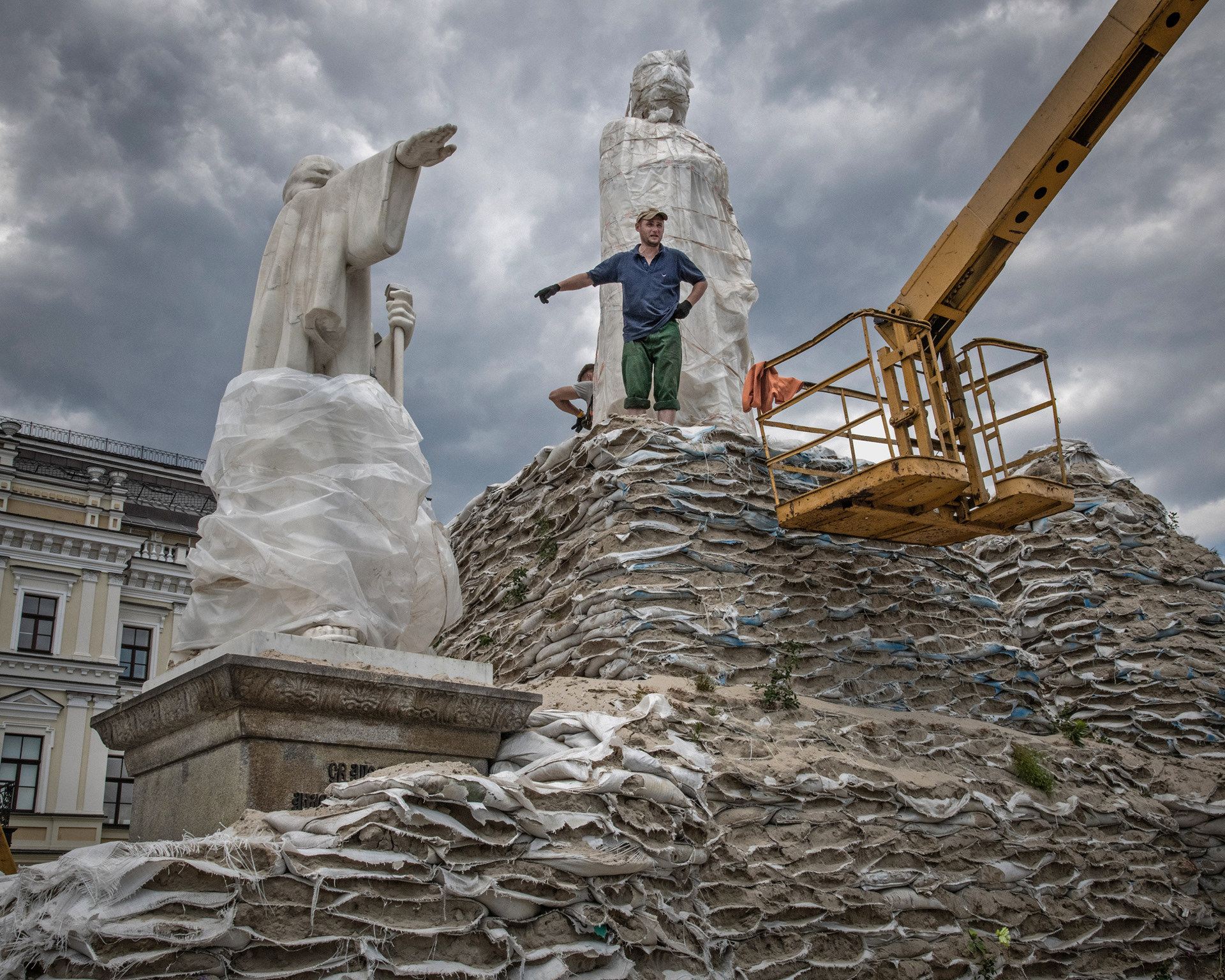
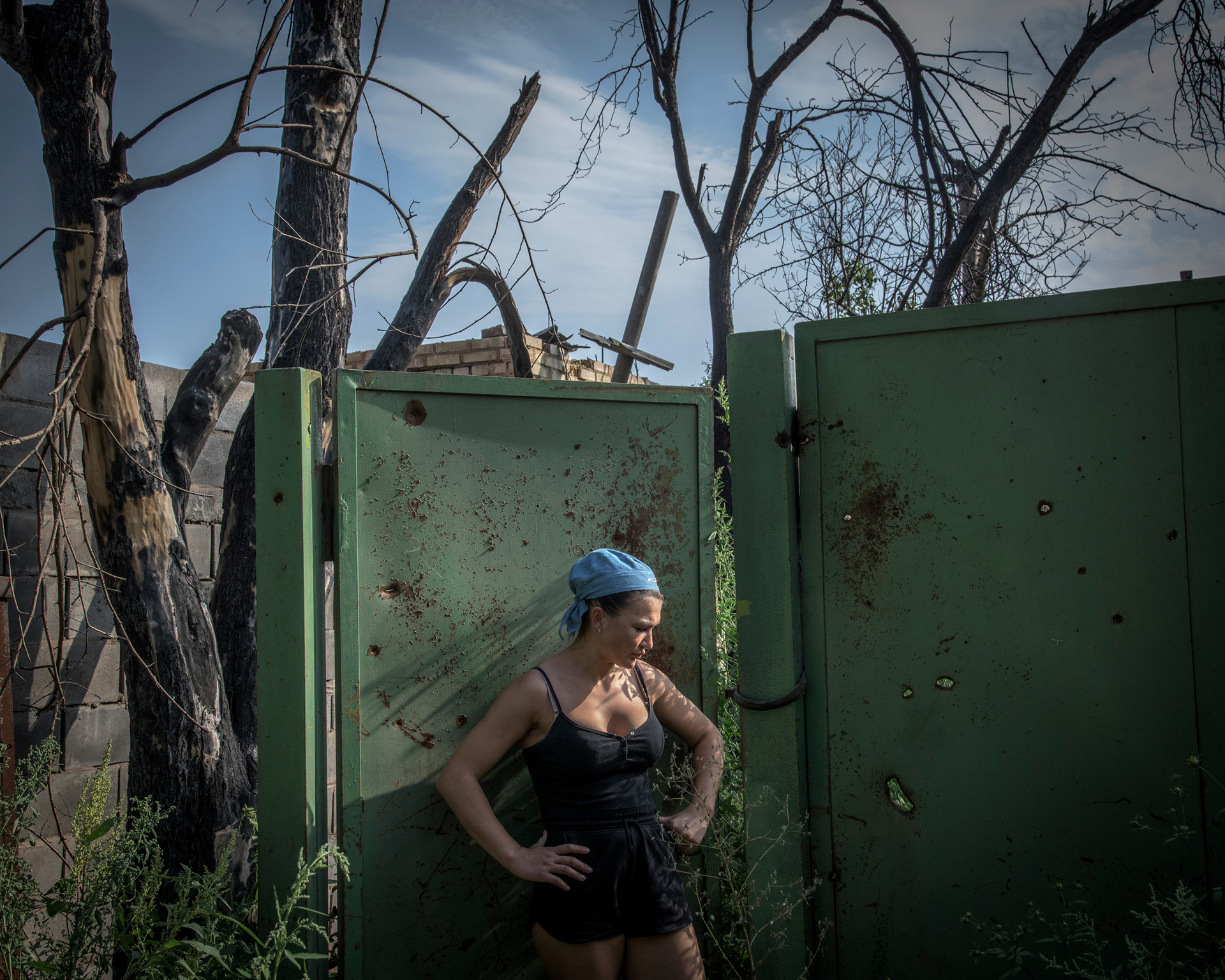
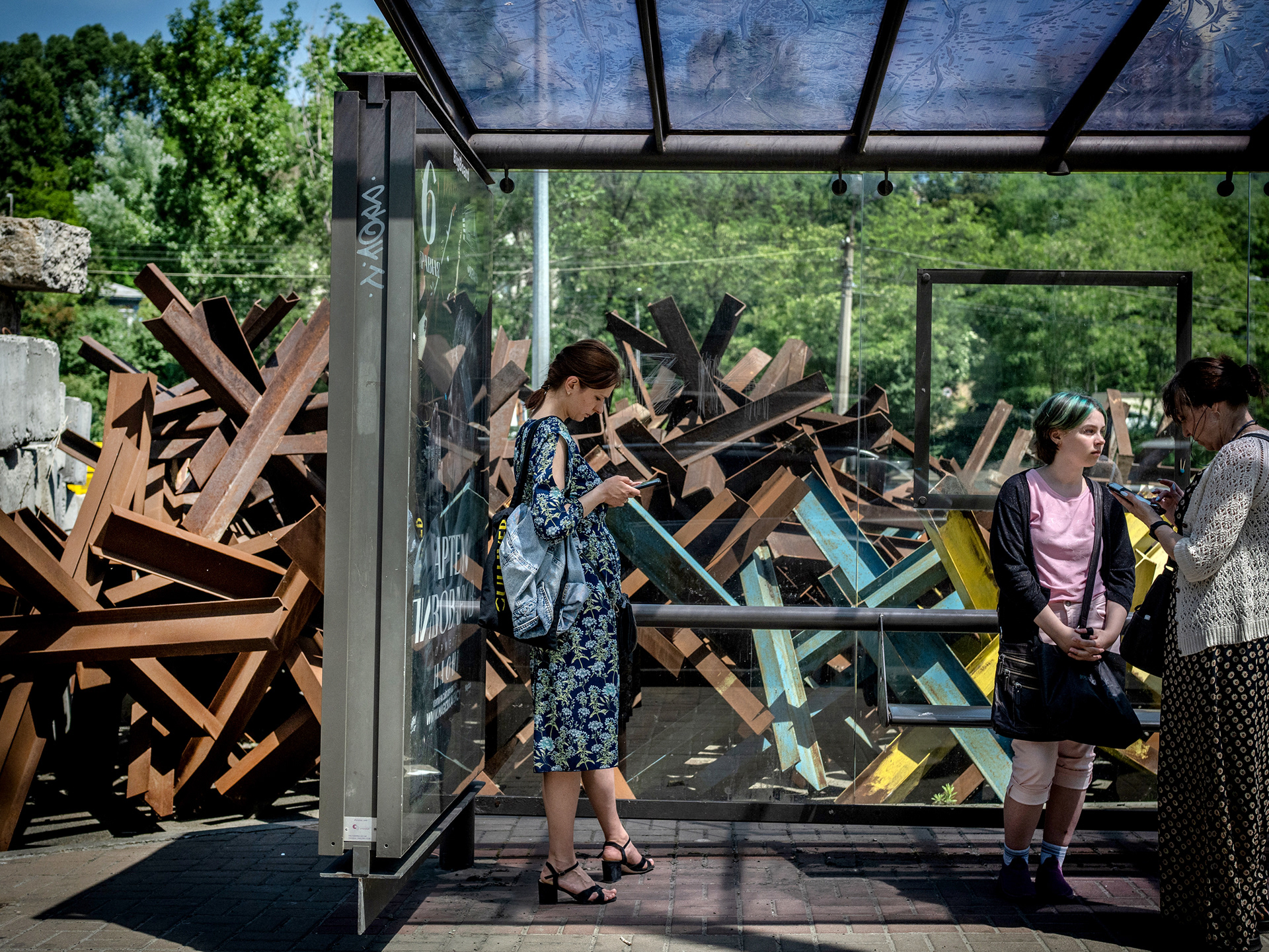
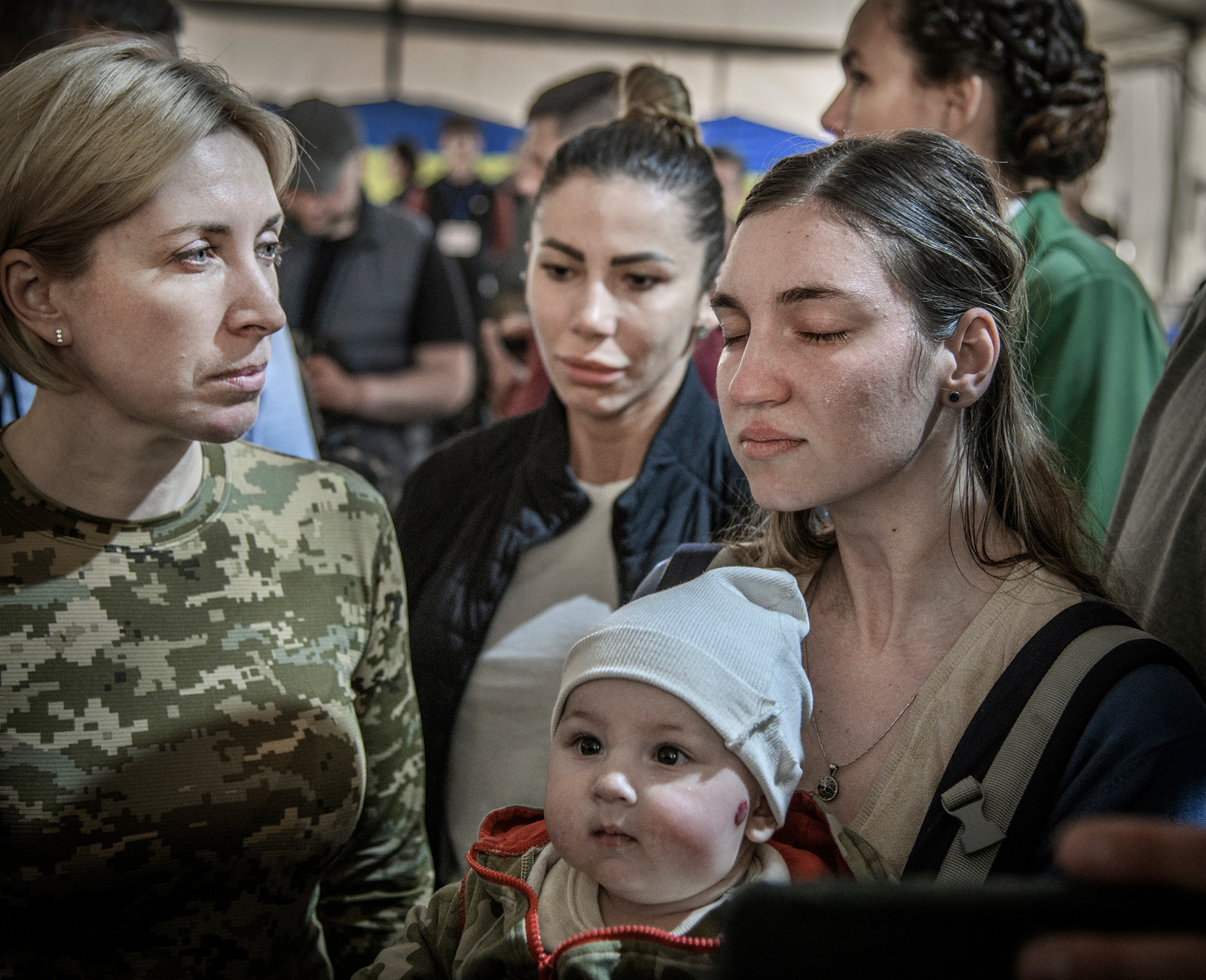
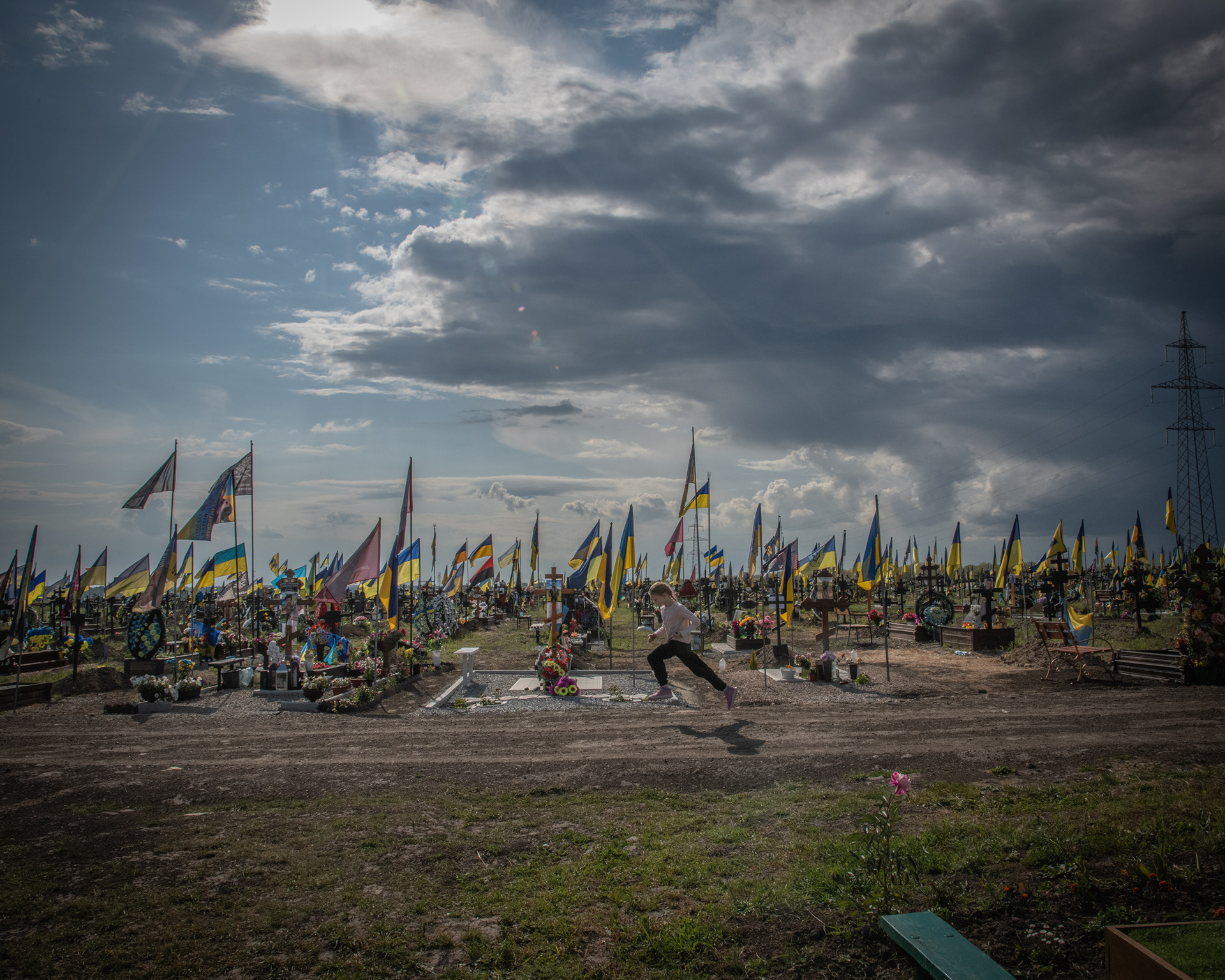
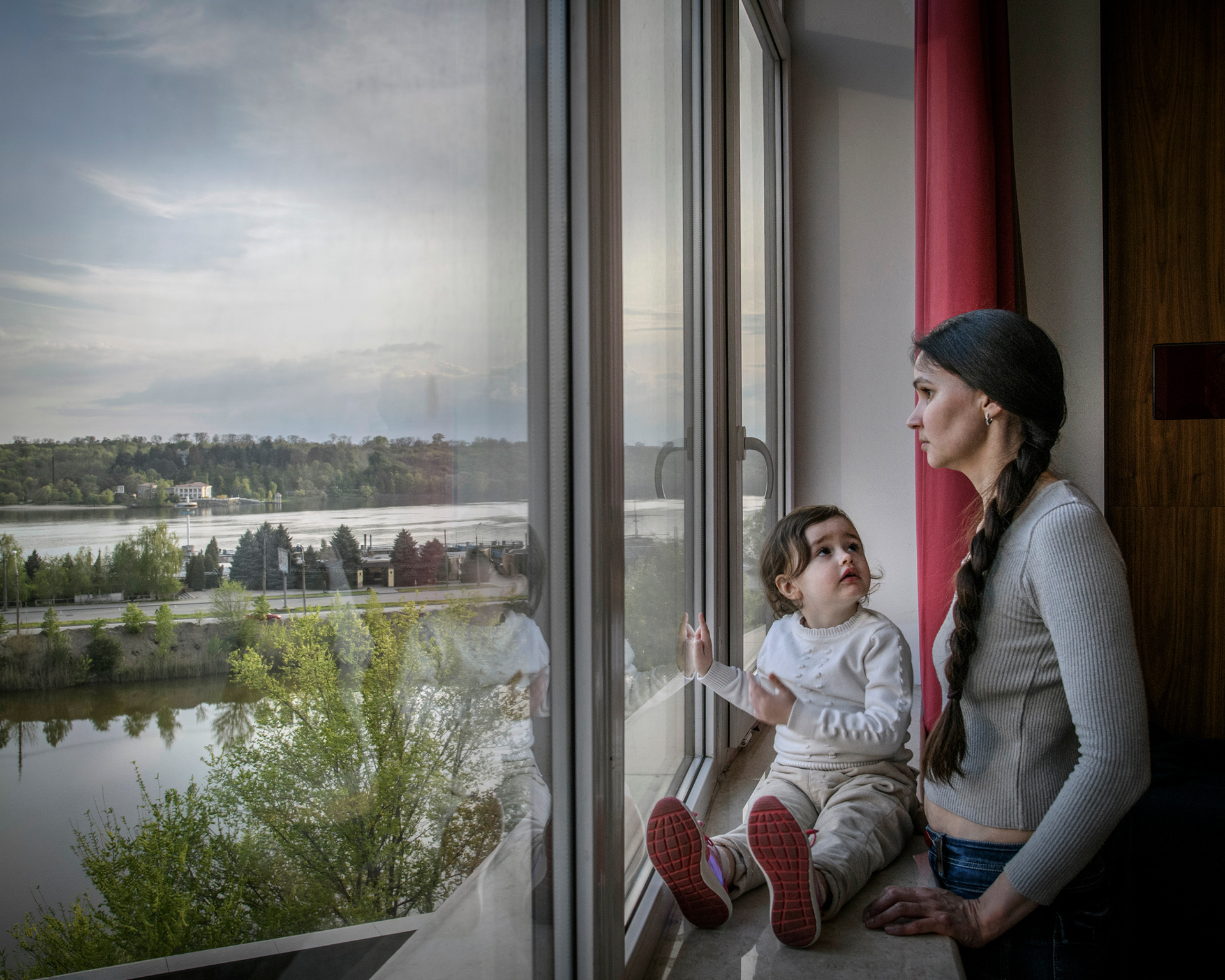
Since the 2014 Revolution of Dignity— the name used by Ukrainians— I have been working on my book project, Ukraine Runs Through It, which documents the country beyond daily politics, using the Dnipro River as a metaphorical reference point. When I began photographing in the spring of 2014, I had to adjust my concept. Witnessing the immediate and profound impact of the revolution and the war on people's daily lives became a crucial element of my work, an inherent undercurrent in this river-themed project.
The idea for this story first came to me in 2008 when I photographed in Crimea just a few months after the war in Georgia ended. While in Simferopol, a theater play about the famine and Stalin's role in it revealed a deep division among people —some still clinging to the Soviet Union version of history while others embraced the revised historical narrative of an independent Ukraine.
In February 2022, when the full-scale invasion began, I was in Dnipro, Ukraine. On the first day of the war, the empty parking lot in front of my hotel filled with army pickups, yet a sense of silence and calm prevailed. Of all Ukrainian cities, Dnipro was perhaps the best prepared for this escalation; located in central Ukraine, it had served as the informal "war capital" since 2014. Kyiv and Lviv were in panic but Dnipro seemed strangely calm.
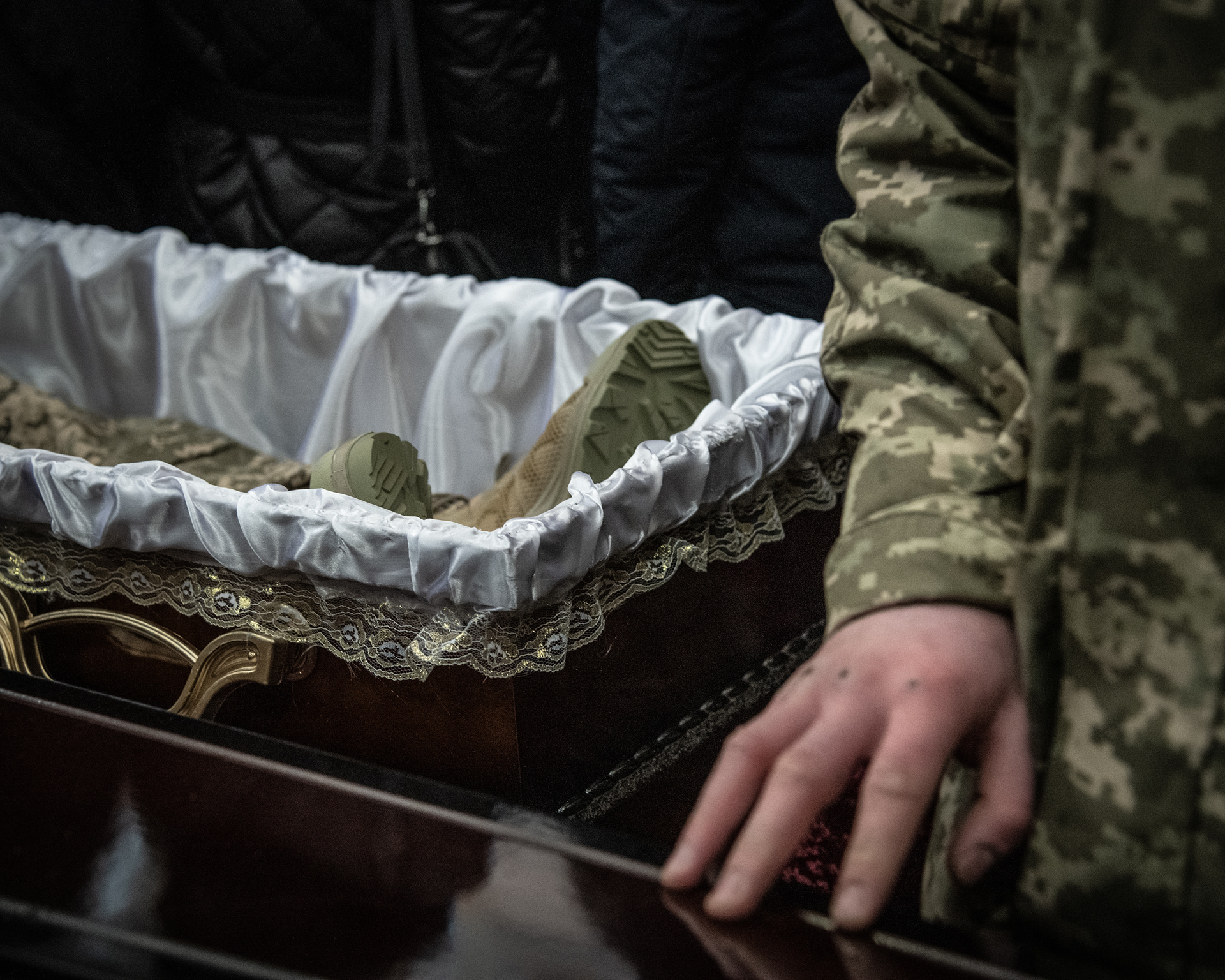
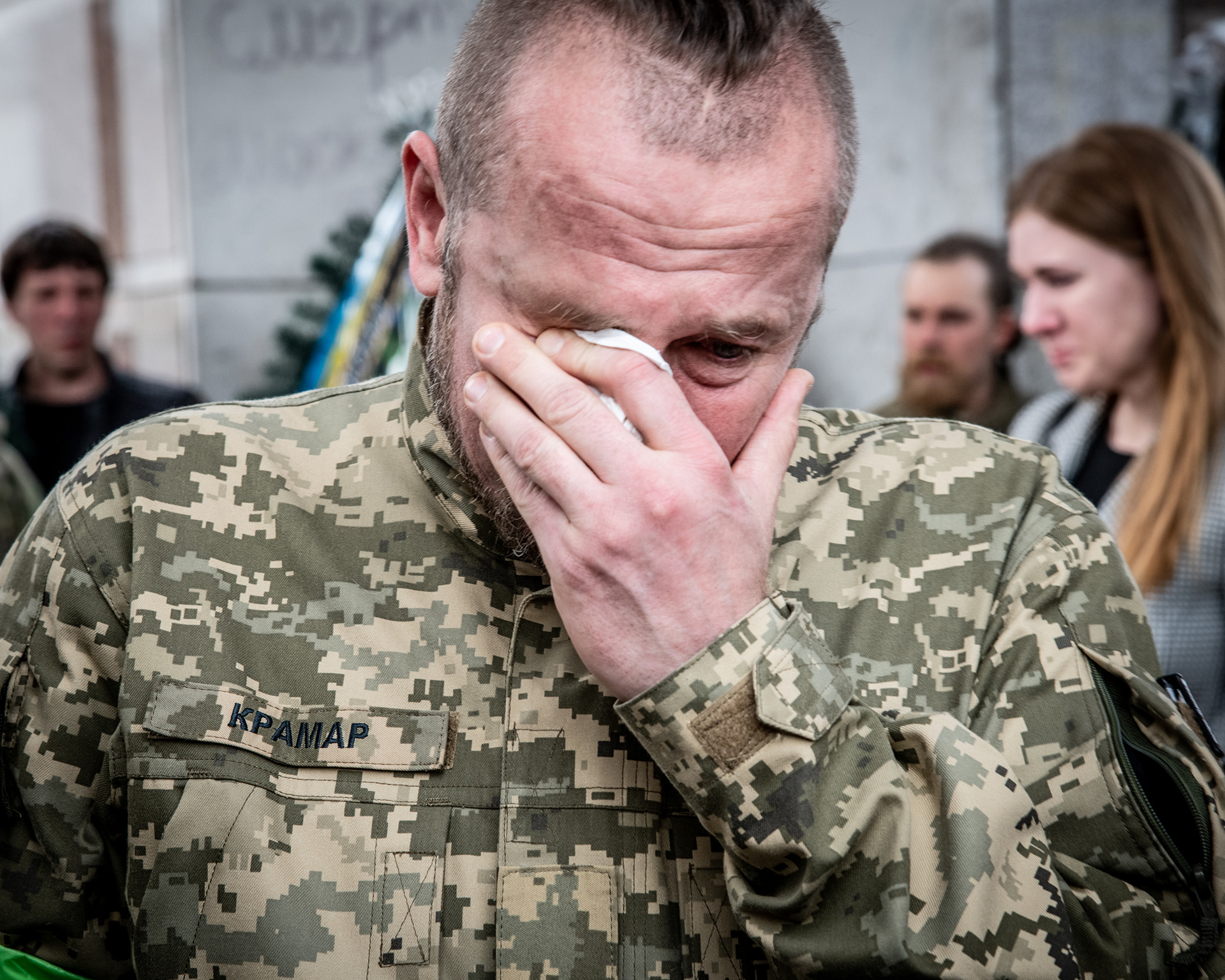
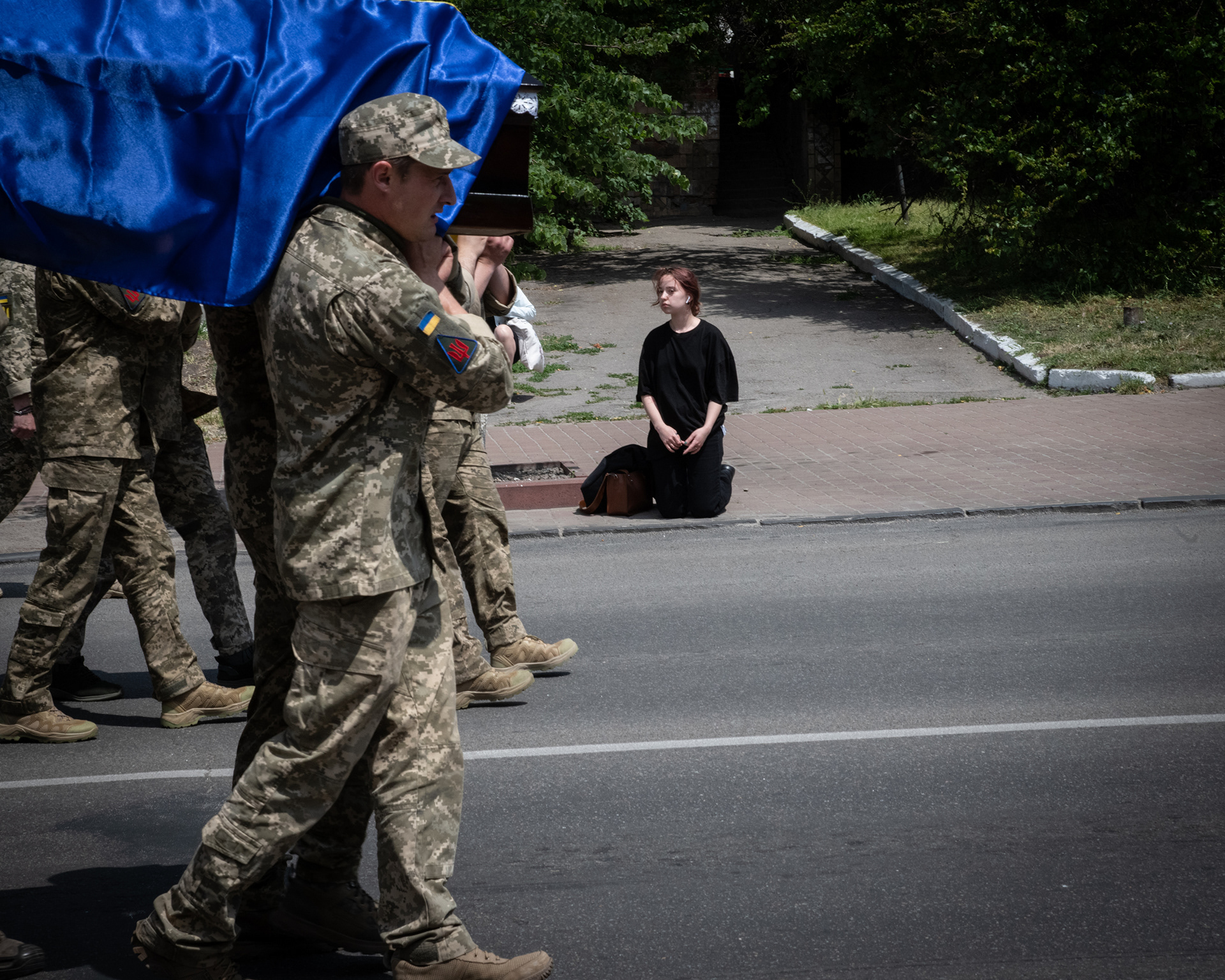
A month later, I returned to Georgia and, amid an unusual atmosphere, attended the funeral of the very first Georgian volunteer who died defending Kyiv. Tbilisi felt markedly different, Initially, I could not pinpoint what had changed. At the funeral of David Ratiani, who died fighting in Ukraine, I realized that not only his family was in mourning, but the entire country. Georgians are usually animated, talkative, and lively while going about their daily tasks. That day, however, they walked in silence, as if shell-shocked—which they were, as they relieved their own war with Russia from 2008 alongside Ukraine.
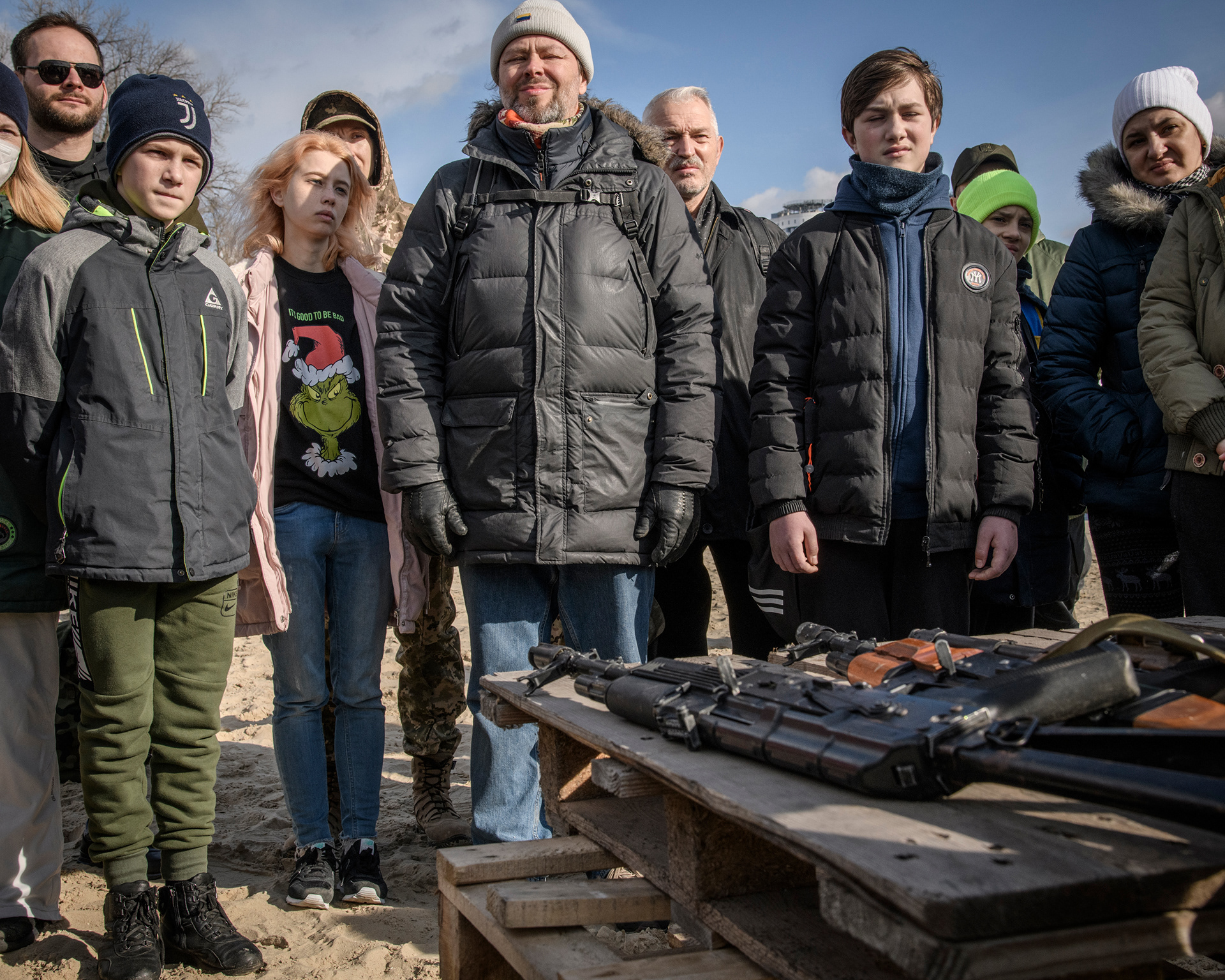
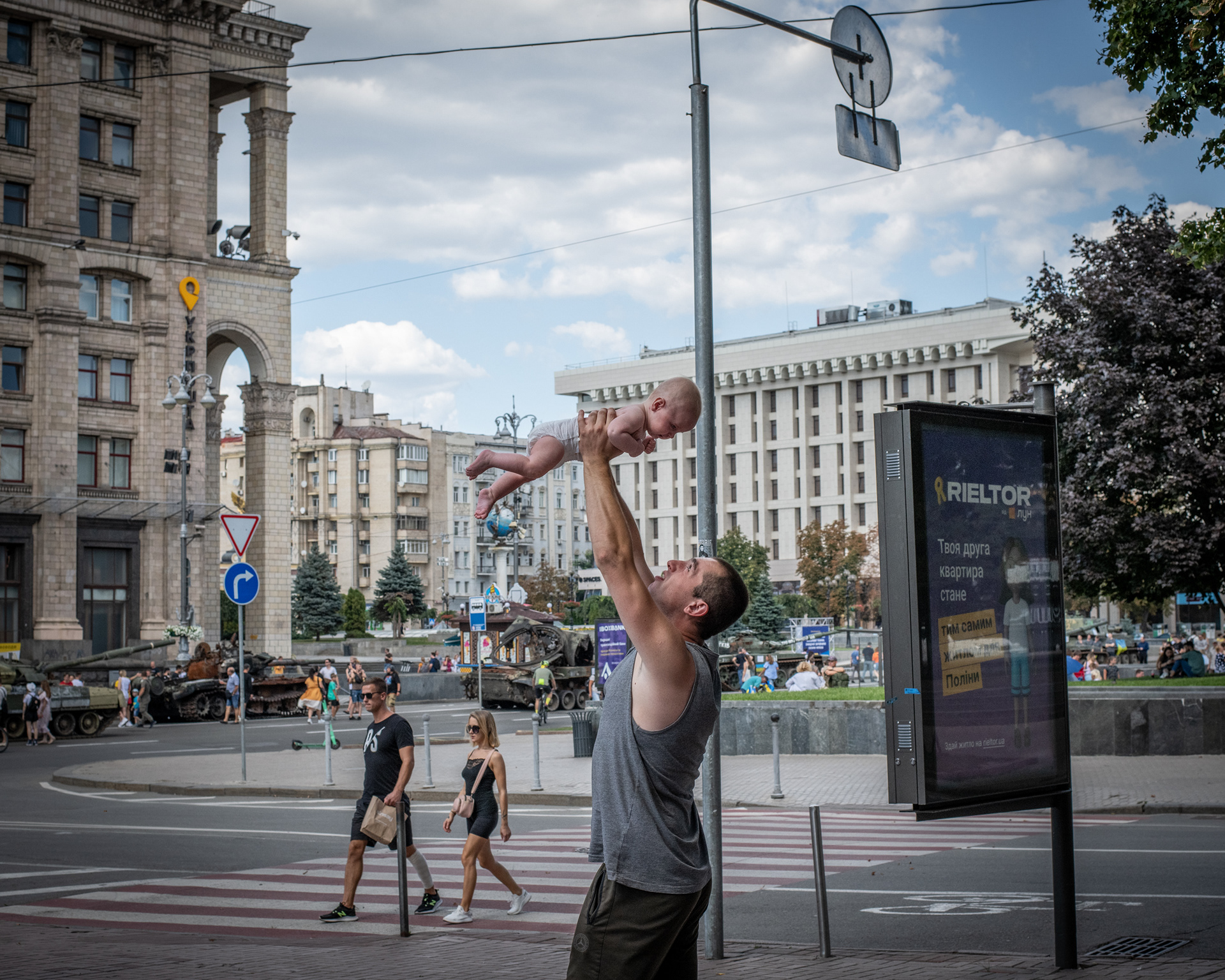
Kyiv , couple days before full scale invasion by Russia
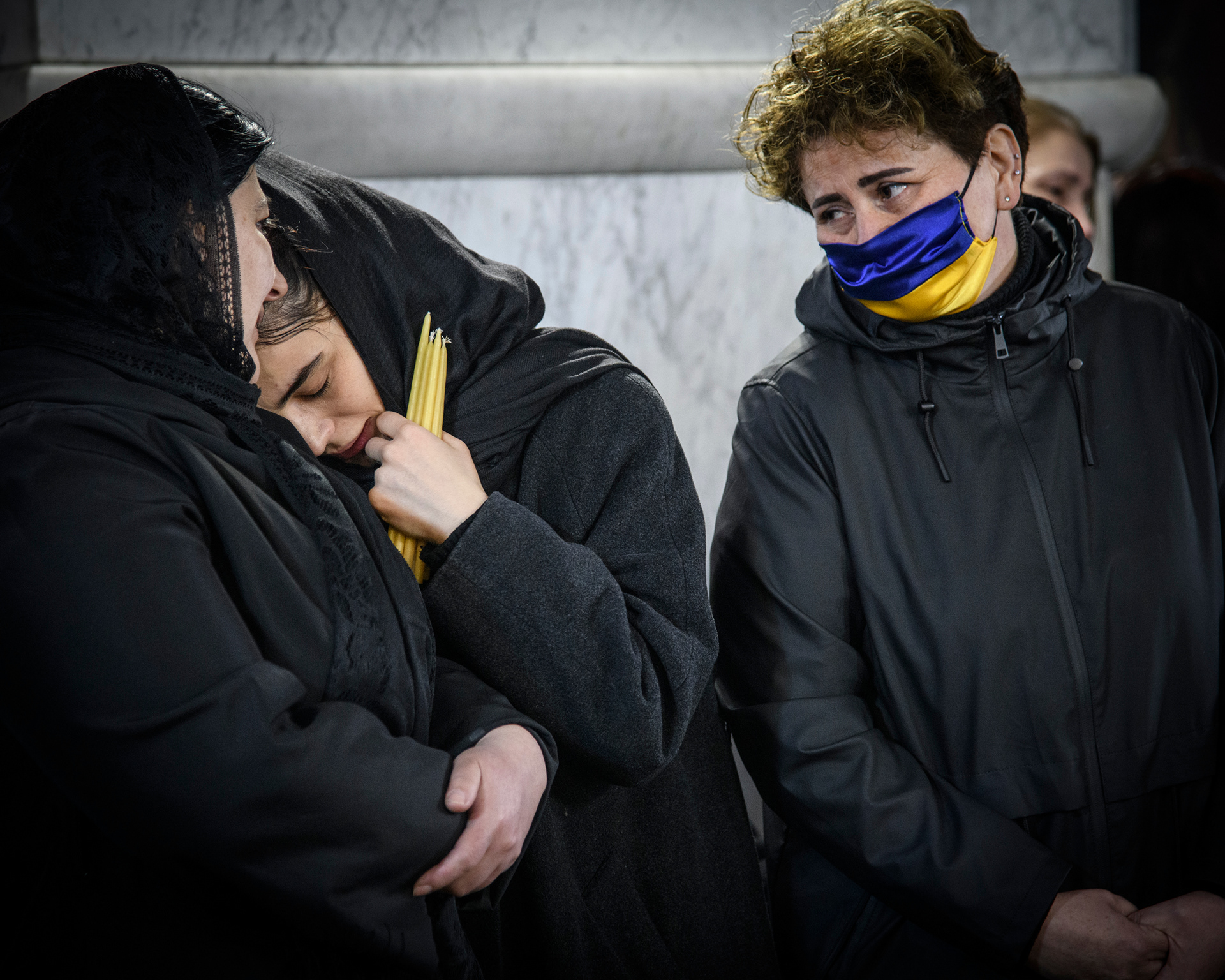
Funeral of David Ratiani, who died fighting in Ukraine,March 2022, Tbilisi.
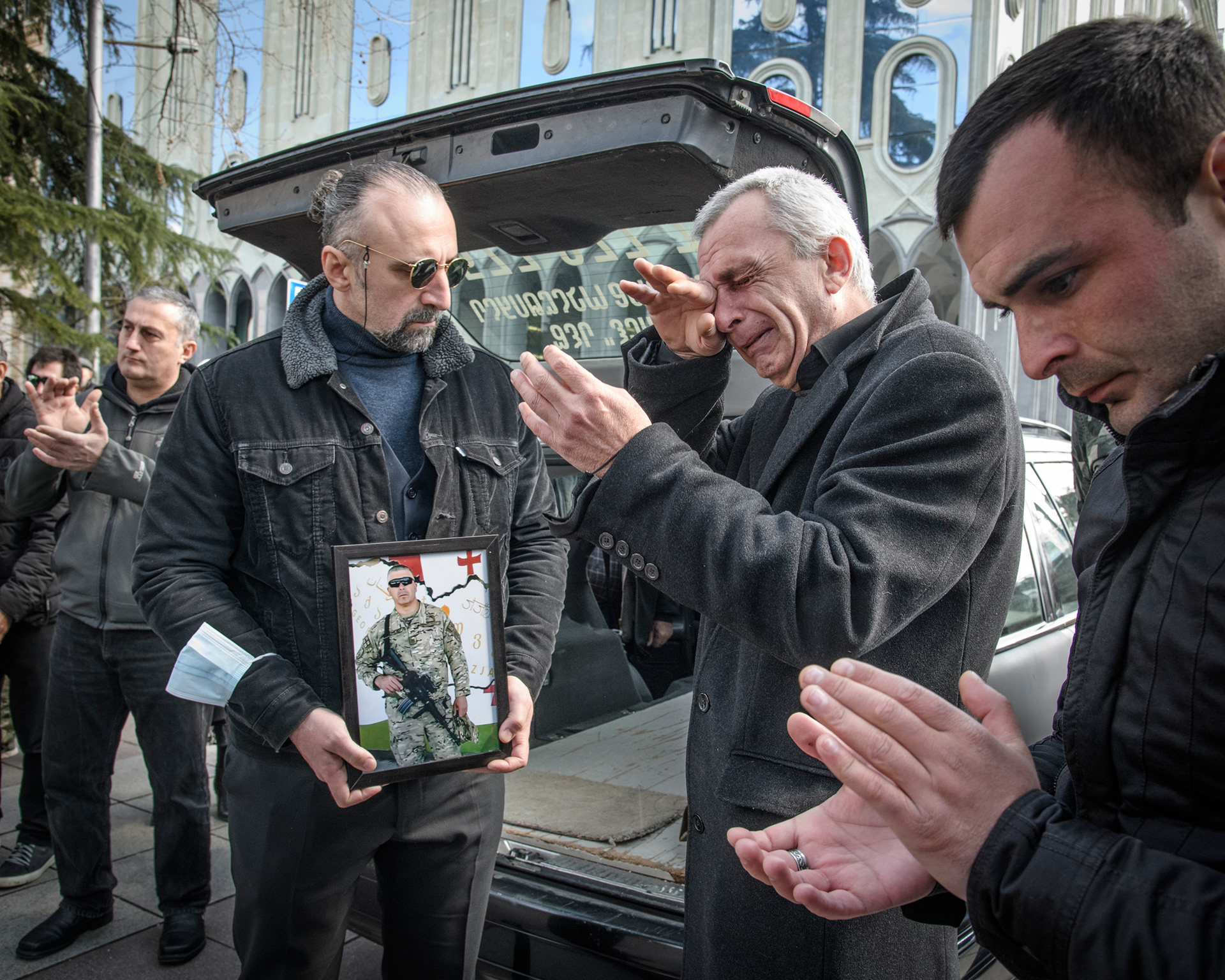
Funeral of David Ratiani, who died fighting in Ukraine,March 2022, Tbilisi.